


Delving into How to Access Your Home Equity in Australia: A Guide to Line of Credit, this introduction immerses readers in a unique and compelling narrative. Exploring the intricacies of leveraging home equity through a line of credit, this guide offers valuable insights and practical advice for those looking to unlock the financial potential of their property.
As we navigate through the complexities of accessing home equity in Australia, you will discover the key strategies and considerations that can help you make informed decisions about your financial future.
Understanding Home Equity
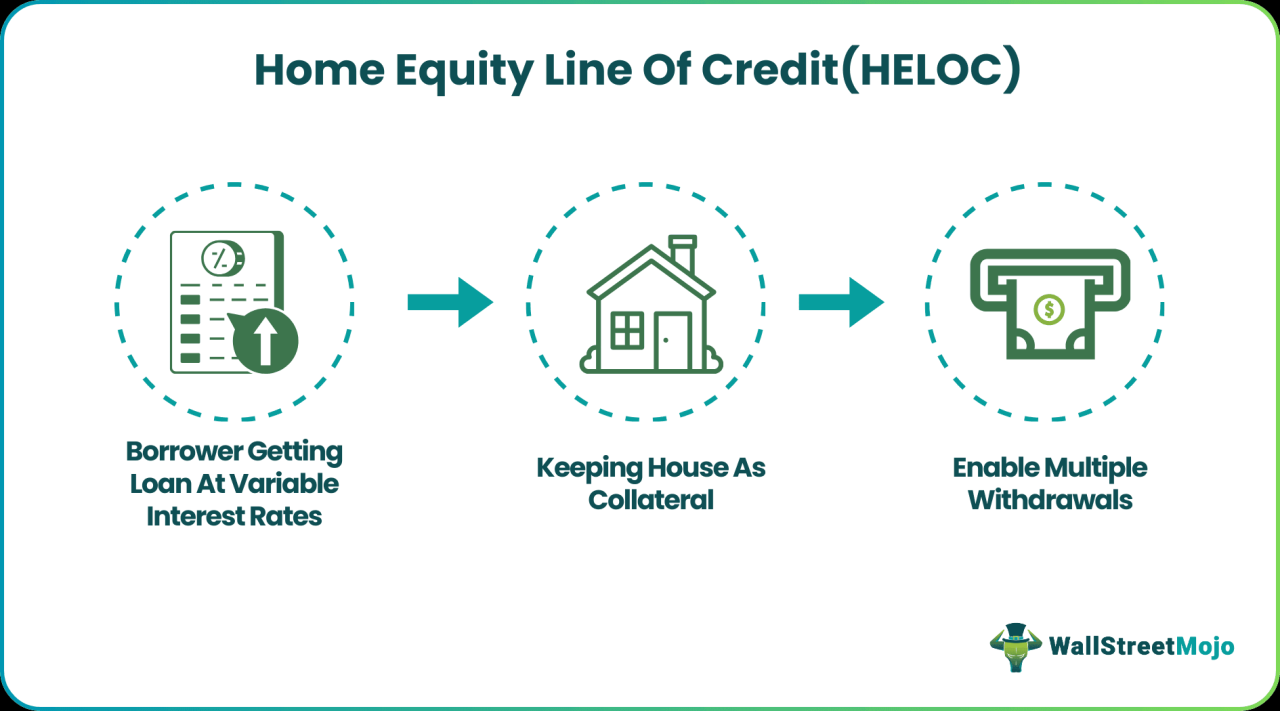
Home equity is the difference between the current market value of your home and the amount you owe on your mortgage. It represents the portion of your property that you truly own.
Calculating Home Equity
To calculate your home equity, simply subtract your outstanding mortgage balance from the current market value of your home. For example, if your home is valued at $500,000 and you still owe $300,000 on your mortgage, your home equity would be $200,000.
Utilizing Home Equity
- Home Renovations: Use your home equity to fund renovations or improvements that can increase the value of your property.
- Debt Consolidation: Consolidate high-interest debt into a lower-interest home equity line of credit.
- Education Expenses: Pay for your or your children's education with funds from your home equity.
Benefits of Home Equity vs Other Loans
- Lower Interest Rates: Home equity loans often have lower interest rates compared to personal loans or credit cards.
- Tax Deductible Interest: In some cases, the interest paid on a home equity loan may be tax deductible.
- Higher Loan Amounts: You can typically borrow larger amounts of money with a home equity loan compared to other types of loans.
Line of Credit vs. Home Equity Loan
When considering accessing your home equity in Australia, it's important to understand the difference between a line of credit and a home equity loan. Both options allow you to borrow against the equity in your home, but they work in different ways.
Line of Credit
A line of credit is a flexible loan that allows you to borrow money up to a certain limit, similar to a credit card. You can withdraw funds as needed and only pay interest on the amount you use. This option provides more flexibility and can be advantageous if you have ongoing expenses or uncertain funding needs.
Home Equity Loan
A home equity loan, on the other hand, provides you with a lump sum of money upfront, which you repay over time with a fixed interest rate. This option is suitable for one-time expenses like home renovations or debt consolidation. You will pay interest on the entire loan amount from the beginning.
Qualifying for a Line of Credit
To obtain a line of credit using your home equity, you need to meet certain eligibility criteria set by lenders. Understanding what factors they consider can help improve your chances of approval.Evaluation Factors for Line of Credit Approval
When applying for a line of credit, lenders typically consider several key factors to determine your eligibility:- Your Credit Score: A higher credit score indicates lower risk for lenders and can increase your chances of approval.
- Debt-to-Income Ratio: Lenders assess your ability to repay the loan by looking at your existing debts in relation to your income.
- Loan-to-Value Ratio: This ratio compares the amount you owe on your home to its current market value, with lower ratios often being more favorable.
- Income and Employment Stability: Lenders want to see that you have a stable income source to repay the line of credit.
Tips to Improve Your Qualification Chances
To enhance your eligibility for a line of credit, consider the following tips:- Improve Your Credit Score: Pay bills on time and reduce outstanding debts to boost your credit score.
- Lower Your Debt-to-Income Ratio: Pay down existing debts to lower your debt-to-income ratio and show you can manage your finances responsibly.
- Enhance Your Home's Value: Investing in home improvements can increase your property's value, improving your loan-to-value ratio.
- Show Stable Income: Consistent employment and income streams can demonstrate financial stability to lenders.
Accessing Your Home Equity
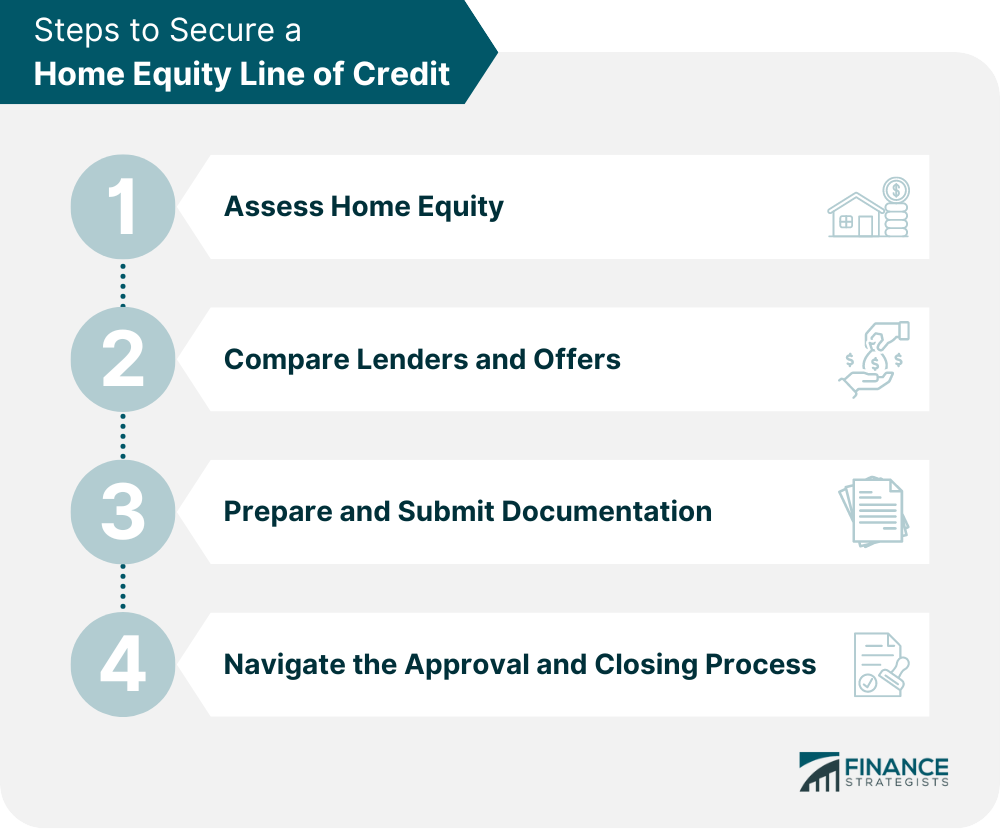
Accessing your home equity through a line of credit involves several steps and requirements. Below, we detail the process, documents needed, and how you can utilize the funds once approved.
Steps to Accessing Your Home Equity
- Submit an application with your lender, providing details about your property and financial situation.
- Your lender will assess the value of your home and determine the amount of equity you can access.
- Once approved, your lender will establish a line of credit based on the equity in your home.
- You can access funds from the line of credit as needed, up to the approved limit.
- Repayment terms will vary, and interest will accrue on the amount borrowed.
Documents Required During the Application Process
- Proof of income: pay stubs, tax returns, or bank statements.
- Property documents: title deed, mortgage statement, and property appraisal.
- Identification: driver's license, passport, or other government-issued ID.
- Debt information: details of existing loans, credit cards, and other financial obligations.
Utilizing the Funds from Your Line of Credit
- Home improvements: renovate your property to increase its value.
- Debt consolidation: pay off high-interest debts to streamline your finances.
- Education expenses: fund your or your children's education.
- Emergency expenses: cover unexpected costs or medical bills.
- Investments: use the funds for investment opportunities to grow your wealth.
Last Point
In conclusion, understanding how to access your home equity through a line of credit is a powerful tool that can provide financial flexibility and stability. By following the guidelines Artikeld in this comprehensive guide, you can confidently explore the options available to leverage the equity in your home to achieve your financial goals.
Commonly Asked Questions
What is home equity and how is it calculated?
Home equity is the difference between the current market value of your property and the outstanding balance on your mortgage. It is calculated by subtracting the amount you still owe on your mortgage from the current market value of your home.
What are the eligibility criteria for obtaining a line of credit using home equity?
The eligibility criteria typically include having a good credit score, sufficient equity in your home, and a stable income. Lenders also consider your debt-to-income ratio and employment history.
How can the funds from a line of credit be accessed and utilized?
Once your line of credit is approved, you can access the funds either through checks, online transfers, or a credit card linked to the account. The funds can be used for various purposes such as home renovations, debt consolidation, or other expenses.