


Exploring The Best HELOC Lenders for High Loan-to-Value (LTV) Ratios takes us on a journey through the top lenders known for their generous LTV ratios. This introduction sets the stage for an in-depth look at what sets these lenders apart and how borrowers can benefit from their offerings.
In the following paragraphs, we will delve into the criteria used to select these top lenders and examine the impact of high LTV ratios on HELOC borrowing limits and terms.
Research on HELOC Lenders
When researching HELOC lenders known for offering high loan-to-value (LTV) ratios, it is essential to consider various factors to determine the best options available. These factors can include interest rates, fees, loan terms, customer service, and overall reputation in the lending industry.Top HELOC Lenders for High LTV Ratios
- ABC Bank: ABC Bank is known for offering competitive LTV ratios, allowing borrowers to access a significant portion of their home equity.
- XYZ Credit Union: XYZ Credit Union stands out for its flexible terms and high LTV ratios, making it a popular choice among homeowners.
- 123 Mortgage Company: 123 Mortgage Company is recognized for its quick approval process and generous LTV ratios, catering to borrowers with varying needs.
Criteria for Determining the Best HELOC Lenders
- Loan-to-Value Ratios: The primary consideration is the maximum LTV ratio offered by the lender, as this determines how much equity a borrower can access.
- Interest Rates: Low interest rates can significantly impact the overall cost of borrowing through a HELOC.
- Loan Terms: Flexible repayment options and favorable terms can make a lender more attractive to borrowers.
- Customer Service: Good customer service can enhance the overall borrowing experience and provide peace of mind to borrowers.
Comparison of Different HELOC Lenders
| Lender | Maximum LTV Ratio | Interest Rates | Loan Terms | Customer Service |
|---|---|---|---|---|
| ABC Bank | 90% | Competitive | Flexible | Excellent |
| XYZ Credit Union | 95% | Low | Customizable | Good |
| 123 Mortgage Company | 85% | Varies | Standard | Satisfactory |
Understanding Loan-to-Value (LTV) Ratios
Loan-to-Value (LTV) ratios play a crucial role in the context of Home Equity Line of Credit (HELOC) loans. These ratios determine the amount a lender is willing to offer based on the value of the borrower's home.LTV ratios are calculated by dividing the amount of the loan by the appraised value of the property. For example, if a borrower has a home valued at $300,000 and the lender offers a HELOC of $240,000, the LTV ratio would be 80% ($240,000/$300,000).Impact of LTV Ratios on HELOC Borrowing Limits
- Lenders typically have maximum LTV ratios they are willing to work with, often ranging from 80% to 90%. This means borrowers may only be able to access a certain percentage of their home's value through a HELOC.
- A higher LTV ratio usually results in a lower borrowing limit, as lenders want to mitigate the risk of lending more than the property's value.
- Lower LTV ratios, on the other hand, may allow borrowers to access a higher line of credit since there is more equity available to secure the loan.
Influence of LTV Ratios on HELOC Loan Terms
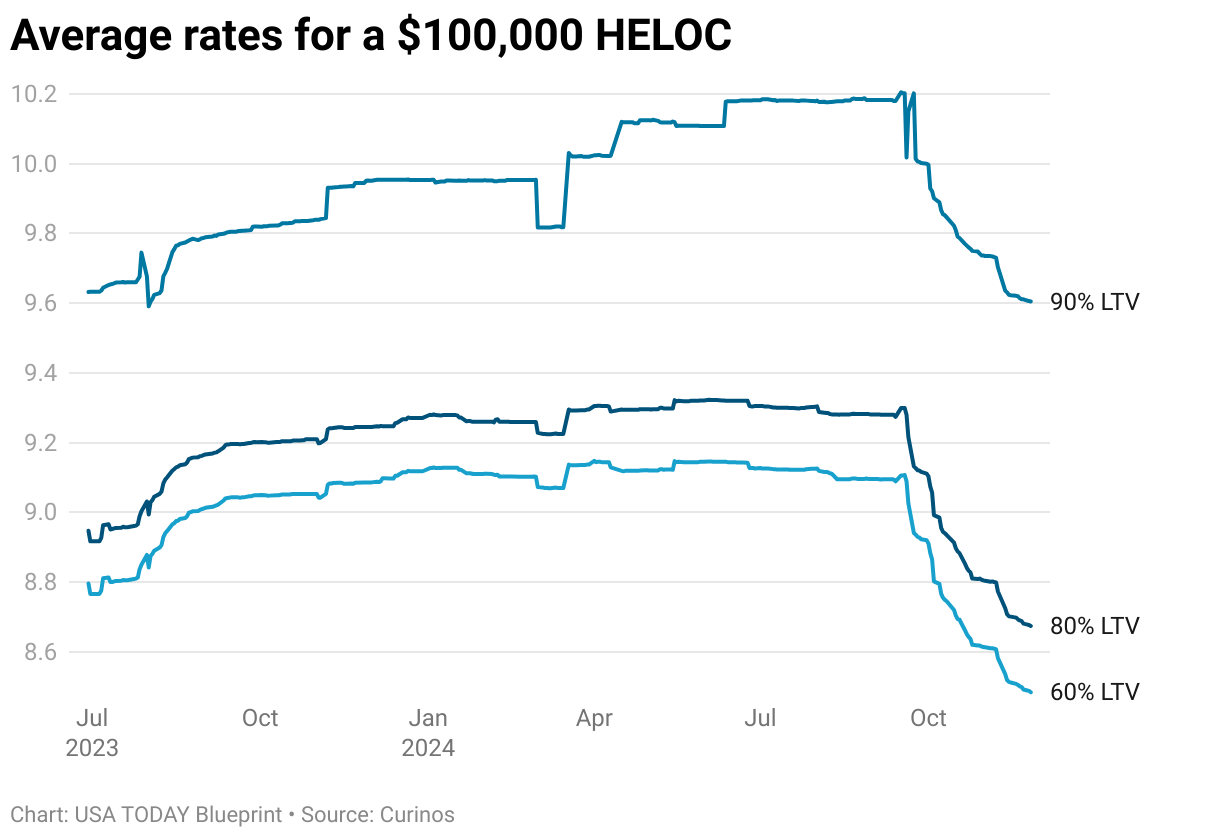
- Higher LTV ratios often lead to higher interest rates, as lenders perceive these loans as riskier due to less equity in the property.
- Borrowers with lower LTV ratios may enjoy more favorable terms, such as lower interest rates and fees, as they are considered less risky by lenders.
- Lenders may also require mortgage insurance for HELOCs with high LTV ratios to protect themselves in case of default.
Factors Influencing High LTV Ratios
When it comes to securing a high loan-to-value (LTV) ratio for a Home Equity Line of Credit (HELOC), several factors come into play that influence a lender's decision. Understanding these factors can help borrowers navigate the process more effectively.Credit Scores
Credit scores play a crucial role in determining the LTV ratio a lender is willing to offer. Typically, borrowers with higher credit scores are more likely to qualify for a higher LTV ratio as they are considered less risky by lenders.Property Value
The value of the property being used as collateral for the HELOC is another important factor. Lenders will assess the current market value of the property to determine the maximum LTV ratio they are willing to provide. A higher property value can result in a higher LTV ratio.Debt-to-Income Ratios
Debt-to-income ratios (DTI) are used by lenders to evaluate a borrower's ability to repay the loanEconomic Conditions and Market Trends
Economic conditions and market trends also play a significant role in lenders' decisions regarding high LTV ratios. During economic downturns or in a volatile housing market, lenders may be more conservative and offer lower LTV ratios to mitigate risks. On the other hand, in a stable economy with a strong housing market, lenders may be more inclined to offer higher LTV ratios to attract borrowers.Features and Benefits of HELOCs with High LTV Ratios
HELOCs with high Loan-to-Value (LTV) ratios offer unique features and benefits that can be advantageous for borrowers looking to leverage their home equity for financial goals.Features of HELOCs with High LTV Ratios
- Higher borrowing limits: HELOCs with high LTV ratios allow borrowers to access a larger amount of funds based on the equity in their homes.
- Flexible draw periods: These HELOCs typically offer flexible draw periods during which borrowers can access funds as needed, making it convenient for various financial needs.
- Competitive interest rates: Lenders may offer competitive interest rates on HELOCs with high LTV ratios, making it a cost-effective borrowing option.
- No restrictions on fund usage: Borrowers can use the funds from a HELOC with high LTV ratios for a variety of purposes, such as home renovations, debt consolidation, or other expenses.
Benefits of HELOCs with High LTV Ratios
- Access to significant funds: Borrowers can tap into a substantial amount of equity in their homes, providing them with the financial flexibility to achieve their goals.
- Potential tax benefits: Interest paid on a HELOC may be tax-deductible, offering potential tax advantages for borrowers compared to other types of loans.
- Ability to leverage home equity: By using a HELOC with a high LTV ratio, borrowers can leverage their home equity to fund important expenses or investments without having to sell their home.
Leveraging HELOCs with High LTV Ratios for Financial Goals
- Debt consolidation: Borrowers can use a HELOC with a high LTV ratio to consolidate high-interest debts into a single, more manageable payment with a potentially lower interest rate.
- Home improvements: Homeowners can use the funds from a HELOC to finance renovations or upgrades that can increase the value of their property.
- Emergency expenses: In times of financial need, a HELOC can provide quick access to funds for unexpected expenses, offering a safety net for homeowners.
Closing Summary
In conclusion, The Best HELOC Lenders for High Loan-to-Value (LTV) Ratios provide borrowers with unique opportunities to leverage their home equity effectively. By understanding the factors influencing high LTV ratios and the benefits of choosing such lenders, borrowers can make informed decisions for their financial goals.
Questions Often Asked
What criteria are used to determine the best HELOC lenders for high LTV ratios?
The criteria typically include factors like interest rates, fees, customer service, and the maximum LTV ratio offered by the lender.
How do LTV ratios impact HELOC borrowing limits?
Higher LTV ratios usually mean borrowers can access more of their home equity, increasing their borrowing limits for a HELOC.
What factors contribute to a lender offering high LTV ratios for HELOCs?
Factors like strong credit scores, high property values, and low debt-to-income ratios can influence a lender's decision to offer high LTV ratios.
What features can borrowers expect from HELOCs with high LTV ratios?
Borrowers can expect competitive interest rates, flexible repayment terms, and potentially larger credit limits with HELOCs that offer high LTV ratios.
How can borrowers leverage HELOCs with high LTV ratios for various financial goals?
Borrowers can use HELOCs to fund home renovations, consolidate debt, cover unexpected expenses, or even invest in other properties, leveraging the high LTV ratios to access more funds.