


When considering the cost to replace vinyl siding, various factors come into play that can significantly impact the overall expense. From the size of the project to material quality and labor costs, homeowners need to navigate through a range of considerations to make informed decisions.
Let's delve deeper into this topic to uncover key insights and cost-saving strategies for a successful siding replacement project.
Cost Factors
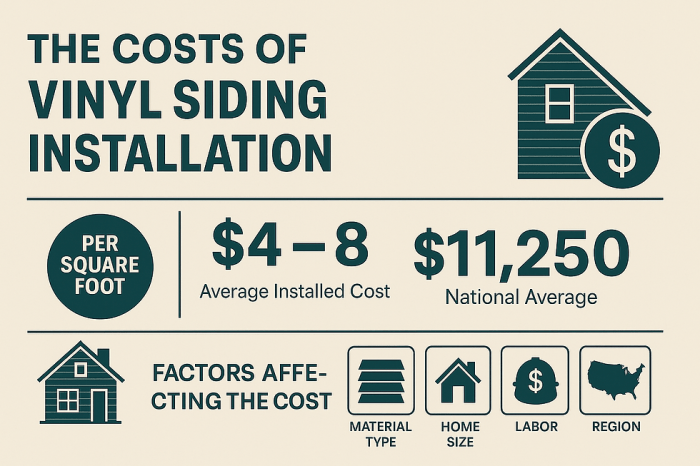
When it comes to replacing vinyl siding, there are several key factors that can influence the overall cost of the project. From the size of the project to the quality of materials used, each aspect plays a significant role in determining the total cost involved.
Project Size
The size of the project is a major factor in determining the cost of replacing vinyl siding. Larger projects will naturally require more materials and labor, resulting in higher overall costs. Additionally, the complexity of the project, such as the number of corners, windows, and doors, can also impact the final price.
Material Quality
The quality of the materials used for the replacement can greatly affect the cost. Higher quality vinyl siding will typically come with a higher price tag, but it can also offer better durability and aesthetics in the long run. Cheaper materials may save money upfront but could end up costing more in repairs and replacements down the line.
Labor Costs
Labor costs are another crucial factor in the total cost of replacing vinyl siding. The expertise and experience of the professionals hired for the job, as well as their location and availability, can all influence labor costs. Additionally, the time required to complete the project will also impact the final price, as more labor hours mean higher costs.
Average Cost Range
When it comes to replacing vinyl siding, homeowners can expect to pay an average cost range of $6,000 to $16,000. This cost can vary depending on various factors such as the size of the home, the quality of the vinyl siding chosen, and whether the replacement is done by DIY or by a professional.
DIY vs. Professional Installation
For homeowners looking to save money, opting for a DIY replacement can cost anywhere from $1,000 to $6,000. However, it's important to consider the time, effort, and skill required for a successful installation. On the other hand, hiring a professional installer can cost between $3,000 to $10,000, but ensures a quality finish and saves you from potential mistakes.
Regional Variations
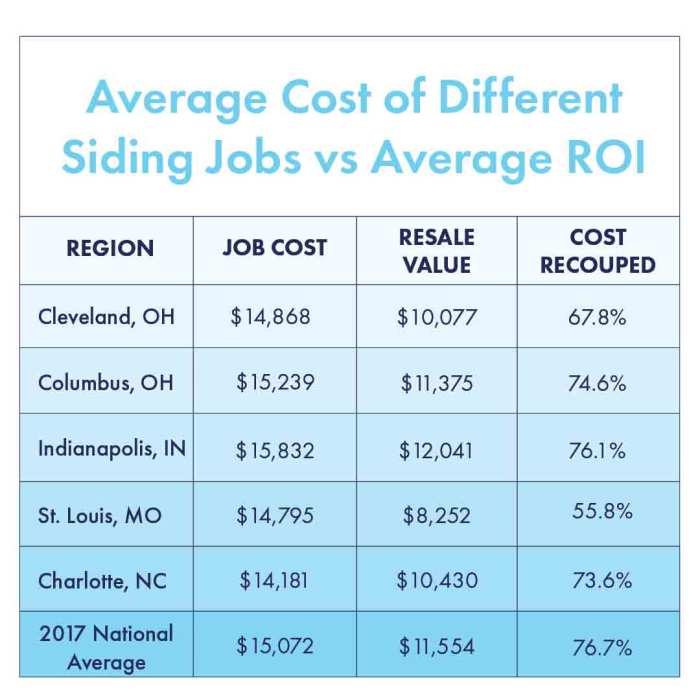
The average cost of replacing vinyl siding can also be influenced by regional variations. For example, areas with a higher cost of living or where labor is more expensive may see prices on the higher end of the spectrum. Conversely, areas with lower costs of living may have more affordable options available.
Additional Costs to Consider
Beyond the basic replacement cost, homeowners should also consider additional expenses such as removing and disposing of the old siding, repairing any underlying damage, and adding insulation for improved energy efficiency. These extra costs can add anywhere from $1,000 to $5,000 to the total project cost.
Cost-Saving Strategies
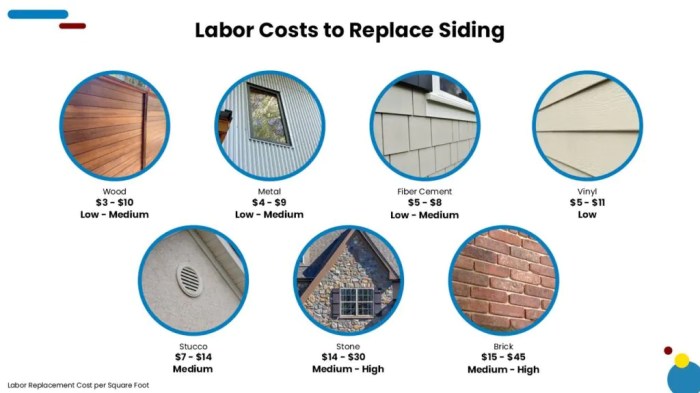
When it comes to replacing vinyl siding, there are several cost-saving strategies that homeowners can consider to keep the overall expenses down. From choosing more affordable materials to tackling certain tasks on their own, there are various ways to lower the cost of this home improvement project.
Choosing Lower-Priced Materials
- Consider opting for standard vinyl siding instead of premium options, as they are usually more budget-friendly.
- Explore different color options within the standard range, as custom colors can increase the cost significantly.
- Look for promotions or discounts from local suppliers or manufacturers to save on material costs.
DIY Approaches to Lower Labor Costs
- If you have some experience with home improvement projects, consider tackling tasks like removing the old siding or prepping the exterior walls yourself.
- Renting or borrowing tools instead of hiring professionals to do the work can help reduce labor costs.
- Consult online tutorials or guides to ensure you are following the correct procedures when taking on DIY tasks.
Negotiating with Contractors
- Obtain multiple quotes from different contractors to compare prices and negotiate for a better deal.
- Ask if there are any discounts available for bundling services or for paying in cash upfront.
- Be open to adjusting the project timeline to fit the contractor's schedule, as this flexibility can sometimes lead to cost savings.
Hidden Costs and Considerations
When planning for a vinyl siding replacement project, it is crucial to consider potential hidden costs and additional expenses that may arise during the process. These unforeseen circumstances can impact the overall budget and timeline of the project, so it is essential to be prepared.Factors like insulation upgrades or trim work can significantly affect the total cost of the project.
Upgrading insulation can improve energy efficiency but might require additional materials and labor, leading to extra expenses. Similarly, adding intricate trim work or custom details can elevate the aesthetic appeal of your home but can also increase the overall cost.
Importance of Budgeting for Unforeseen Circumstances
When budgeting for a vinyl siding replacement, it is crucial to set aside a contingency fund for any unexpected issues that may arise. Factors like structural damage, hidden mold or rot, or the need for additional repairs can quickly add up and strain your budget if not accounted for in advance.
- It is advisable to allocate around 10-15% of the total project cost as a contingency fund to account for any unforeseen expenses.
- Obtain a detailed inspection of your home before beginning the project to identify any potential issues that may require extra attention and budgeting.
- Consult with your contractor to discuss possible scenarios that could lead to additional costs and plan accordingly.
Accurately Estimating the Full Cost
Estimating the total cost of a vinyl siding replacement project involves more than just the cost of materials and labor. It is essential to consider all potential expenses and factor them into your budget to avoid any financial surprises along the way.
Consider factors like permit fees, disposal of old materials, potential repair work, and any upgrades or customizations you may want to include in the project.
- Request detailed quotes from multiple contractors to compare costs and ensure that all potential expenses are accounted for in the estimates.
- Ask your contractor to provide a breakdown of the costs involved, including materials, labor, permits, and any additional charges that may apply.
- Be proactive in discussing any concerns or questions about the pricing with your contractor to avoid misunderstandings or unexpected costs later on.
Final Summary
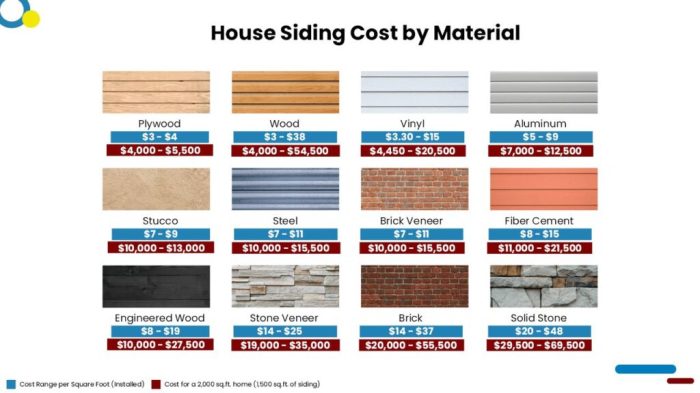
In conclusion, understanding the cost dynamics of replacing vinyl siding is crucial for homeowners embarking on this renovation journey. By being aware of the factors influencing costs, average cost ranges, and effective cost-saving strategies, individuals can make well-informed choices that align with their budget and preferences.
Whether opting for DIY approaches or seeking professional assistance, being prepared and knowledgeable about the cost landscape can lead to a smoother and more cost-effective siding replacement process.
Answers to Common Questions
What are some common factors influencing the cost of replacing vinyl siding?
Factors such as material quality, project size, and labor costs play a significant role in determining the overall cost of vinyl siding replacement.
What is the typical cost range for replacing vinyl siding?
The average cost range for vinyl siding replacement can vary widely, but homeowners can expect to pay anywhere from $5,000 to $15,000 depending on various factors.
How can homeowners reduce the cost of vinyl siding replacement?
Homeowners can lower costs by opting for DIY tasks, negotiating with contractors, or choosing lower-priced materials while still maintaining quality.
Are there any hidden costs homeowners should be aware of when replacing vinyl siding?
Hidden costs like insulation upgrades, trim work, or unforeseen complications should be budgeted for to avoid unexpected expenses during the project.