


Delve into the realm of energy saving siding materials, where innovation meets sustainability. This introductory passage sets the stage for a journey filled with insights and practical knowledge, promising a captivating read for all.
Moving on to the core details, we will uncover the key aspects and benefits of energy efficient siding materials in the following section.
Energy-Efficient Siding Materials
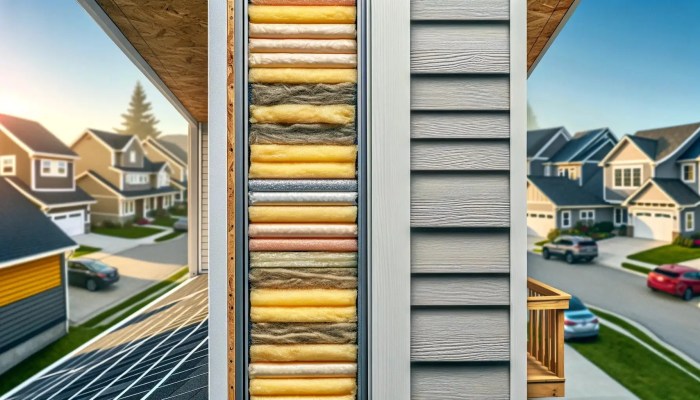
When it comes to selecting siding materials for your home, opting for energy-efficient options can have a significant impact on your overall energy consumption and costs. Energy-efficient siding materials are designed to help regulate indoor temperatures, reduce heat loss in winter, and minimize heat gain during summer, ultimately leading to lower energy bills and a more sustainable living environment.
Key Characteristics of Energy-Efficient Siding Materials
- Insulation: Energy-efficient siding materials are typically well-insulated to prevent heat transfer, keeping your home comfortable year-round.
- Reflectivity: Some siding materials have reflective properties that help deflect sunlight and reduce heat absorption, lowering cooling costs in hot climates.
- Durability: Energy-efficient siding materials are often durable and long-lasting, reducing the need for frequent replacements and minimizing waste.
- Low Maintenance: Many energy-efficient siding options require minimal upkeep, saving you time and money on repairs and maintenance over the years.
Types of Energy-Saving Siding Materials
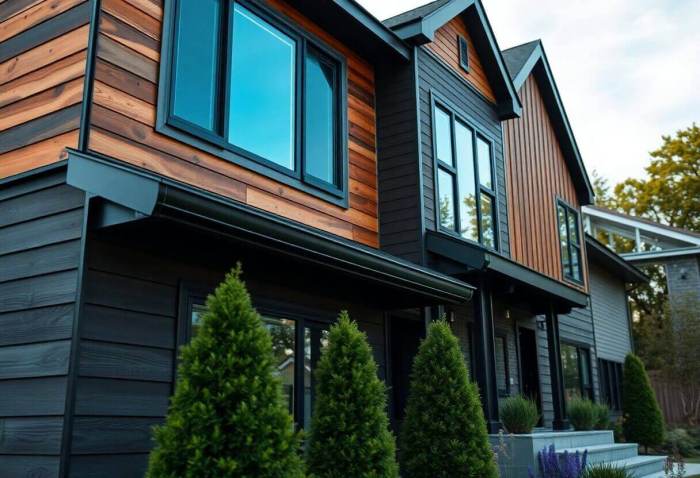
When it comes to energy-efficient siding materials, there are several options available that can help reduce energy consumption and lower utility bills. Let's explore some of the most popular types of energy-saving siding materials.
Insulated Vinyl Siding
Insulated vinyl siding is a popular choice for homeowners looking to improve energy efficiency. It is constructed with a layer of foam insulation attached to the back of the vinyl panels, providing added thermal resistance. This helps reduce heat loss in the winter and heat gain in the summer, leading to lower energy costs.
Fiber Cement Siding
Fiber cement siding is another energy-efficient option known for its durability and low maintenance requirements. This type of siding is resistant to moisture, rot, and pests, making it a long-lasting choice for homeowners. While fiber cement siding doesn't offer the same level of insulation as insulated vinyl, it still provides good thermal performance and can help improve energy efficiency.
Engineered Wood Siding
Engineered wood siding is a sustainable and energy-efficient option that offers the look of natural wood without the maintenance issues. This type of siding is typically made from wood fibers and resin, providing good insulation properties. Engineered wood siding can help regulate indoor temperatures and reduce energy consumption, making it a popular choice for eco-conscious homeowners.
Installation Techniques for Energy-Saving Siding
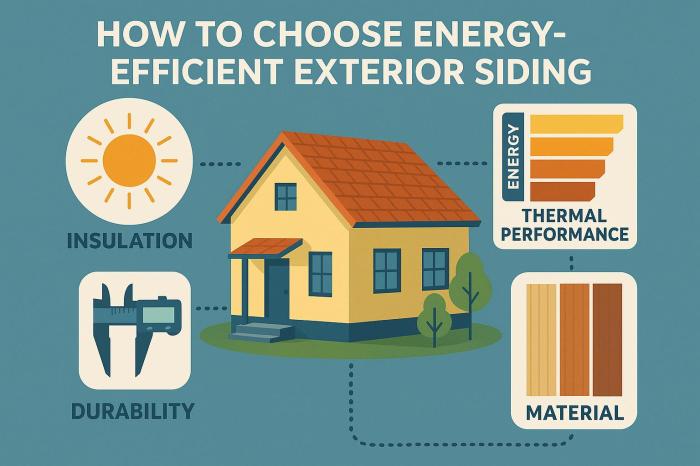
Installing energy-saving siding materials is crucial for maximizing their effectiveness in reducing energy consumption and improving insulation in a building. Proper installation techniques can significantly enhance the energy-saving capabilities of siding, ensuring airtightness and optimal insulation performance.
Sealants and Weather Stripping
- Use high-quality sealants and weather-stripping materials to fill gaps and cracks between siding panels, corners, and around windows and doors.
- Ensure proper application of sealants to prevent air leakage and moisture infiltration, which can compromise the energy efficiency of the siding.
- Regularly inspect and replace worn-out sealants to maintain the airtightness of the siding system.
Proper Insulation
- Install insulation materials, such as foam boards or house wraps, beneath the siding to improve thermal performance and reduce heat transfer.
- Follow manufacturer guidelines for insulation installation to achieve the desired R-value and maximize energy savings.
- Pay attention to insulation continuity and coverage to prevent thermal bridging and ensure uniform energy efficiency throughout the building envelope.
Correct Siding Installation
- Follow manufacturer instructions and industry best practices for installing energy-saving siding materials, including proper fastening and overlapping techniques.
- Avoid overdriving fasteners, which can damage the siding and compromise its energy-saving properties.
- Pay attention to proper ventilation behind the siding to prevent moisture buildup and improve the longevity of the siding system.
Environmental Impact and Sustainability
Energy-saving siding materials play a crucial role in reducing the environmental impact of buildings. These materials are designed to increase energy efficiency, ultimately decreasing the carbon footprint associated with heating and cooling.
Environmental Impact Analysis
Energy-saving siding materials such as insulated vinyl, fiber cement, and engineered wood have a lower environmental impact compared to traditional materials like wood or aluminum. The manufacturing processes of these energy-efficient materials result in reduced greenhouse gas emissions and energy consumption.
Sustainable Sourcing and Manufacturing
The eco-friendliness of energy-saving siding materials is further enhanced by sustainable sourcing and manufacturing practices. Companies are increasingly prioritizing the use of recycled and renewable materials in the production of siding, reducing the overall environmental impact. Additionally, advancements in manufacturing technologies have led to more efficient processes that minimize waste and energy usage.
Recyclability and Longevity
One of the key sustainability features of energy-saving siding materials is their recyclability and longevity. Materials such as fiber cement and engineered wood can be recycled at the end of their lifespan, reducing the amount of waste sent to landfills.
Furthermore, the durability of these materials ensures a longer lifespan, reducing the need for frequent replacements and contributing to a lower overall carbon footprint.
Last Recap
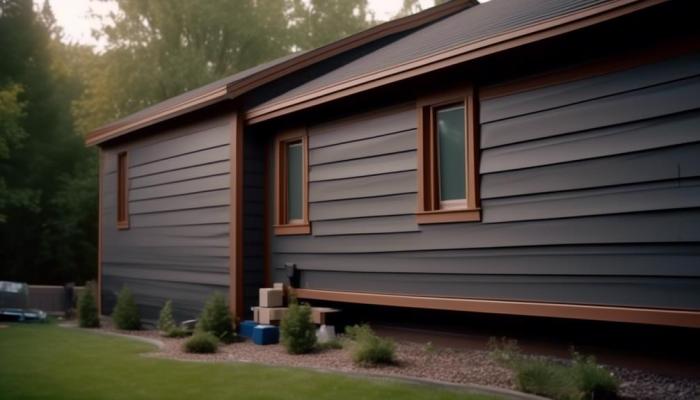
Concluding our discussion on energy saving siding materials, we reflect on the significance of sustainable choices and the impact they have on our environment. This final passage encapsulates the essence of our exploration, leaving readers with a newfound appreciation for eco-friendly alternatives.
FAQ Corner
How do energy-saving siding materials contribute to reducing energy consumption?
Energy-saving siding materials help regulate indoor temperature, reducing the need for excessive heating or cooling, which leads to lower energy consumption.
Are energy-efficient siding materials more expensive than traditional options?
While initial costs may be slightly higher, the long-term savings on energy bills make energy-efficient siding materials a cost-effective choice in the end.
Do energy-saving siding materials require special maintenance compared to regular siding?
Energy-saving siding materials generally require minimal maintenance, similar to traditional siding options, making them a convenient choice for homeowners.