


When it comes to commercial vinyl siding contractors, expertise and precision are key. In this guide, we delve into the world of specialized contractors who play a pivotal role in enhancing the aesthetics and durability of commercial buildings. From materials to project management, get ready to uncover the secrets behind successful vinyl siding projects.
In this comprehensive overview, we will explore the qualifications, materials, cost estimation, and project management strategies that set commercial vinyl siding contractors apart in the construction industry.
Overview of Commercial Vinyl Siding Contractors
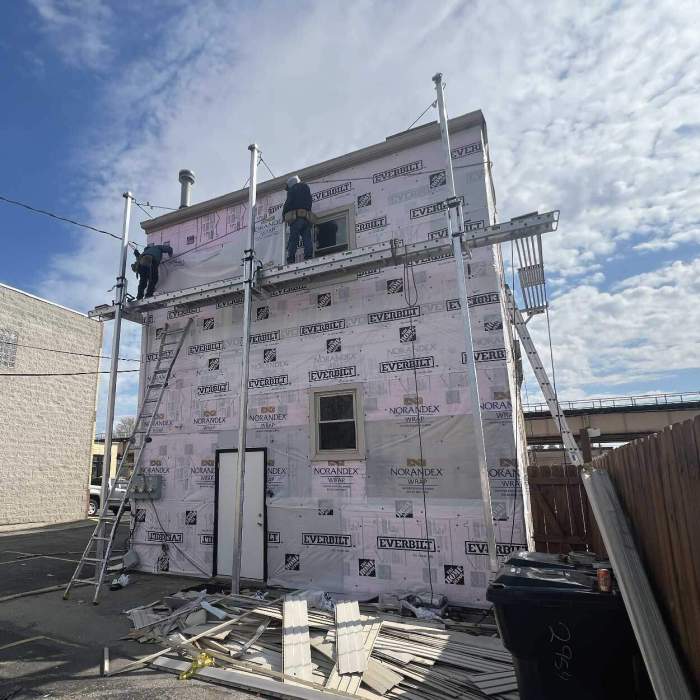
Commercial vinyl siding contractors play a crucial role in the construction industry by specializing in the installation and maintenance of vinyl siding for commercial buildings. These contractors are highly skilled in working with vinyl materials and ensuring that the siding is properly installed to enhance the appearance and durability of the structure.
One of the key benefits of hiring specialized commercial vinyl siding contractors is their expertise in handling large-scale projects. They have the knowledge and experience to tackle commercial buildings with precision and efficiency, ensuring that the siding meets the specific requirements of the project.
Examples of Commercial Projects
- Shopping Malls: Commercial vinyl siding contractors are often hired to revamp the exterior of shopping malls, providing a fresh and modern look while also improving insulation and energy efficiency.
- Office Buildings: Many office buildings opt for vinyl siding due to its low maintenance and cost-effectiveness. Commercial contractors are essential in ensuring a professional installation that meets the needs of the business.
- Apartment Complexes: Vinyl siding is a popular choice for apartment complexes due to its durability and aesthetic appeal. Contractors specializing in commercial projects can handle the large-scale installation required for these complexes.
Qualifications and Certifications
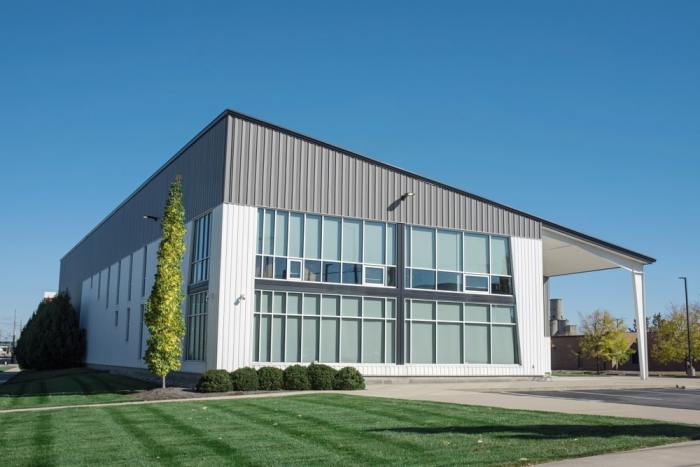
To be a reputable commercial vinyl siding contractor, there are specific qualifications and certifications that are essential to possess. These credentials not only demonstrate a contractor's expertise but also ensure quality workmanship and professionalism in the industry.
Qualifications and Certifications
- Manufacturer Certification: Contractors should be certified by reputable vinyl siding manufacturers. This certification indicates that the contractor has undergone training and met the manufacturer's standards for installation.
- Licensing: Contractors should hold a valid license to operate in the area where they provide services. This ensures that they have met the necessary requirements and regulations to perform work legally.
- Insurance: Contractors should have adequate insurance coverage, including liability insurance and workers' compensation. This protects both the contractor and the client in case of any accidents or damages during the project.
Importance of Certifications
Certifications play a crucial role in ensuring quality workmanship when it comes to commercial vinyl siding contractors. By holding certifications from reputable organizations or manufacturers, contractors demonstrate their commitment to excellence and continuous learning in the industry. Clients can have peace of mind knowing that certified contractors have the necessary skills and knowledge to deliver high-quality results.
Certifications and Credibility
Certifications also contribute significantly to the credibility of vinyl siding contractors. They serve as a stamp of approval, assuring clients that the contractor has met specific standards and requirements set by industry experts. This credibility can help contractors build trust with clients and differentiate themselves from competitors who may not hold the same certifications.
Materials and Techniques
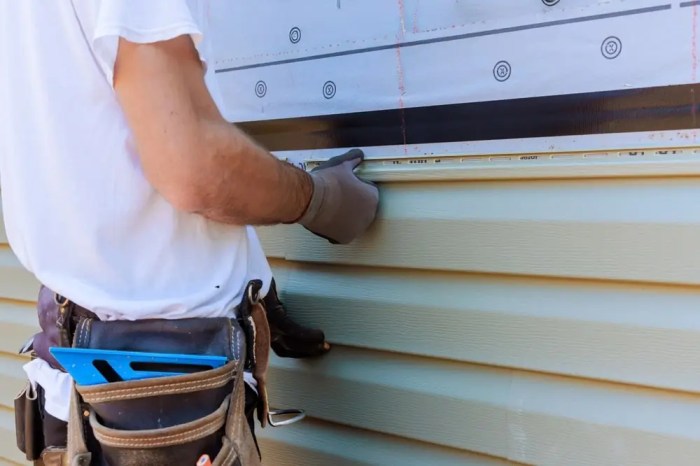
When it comes to commercial vinyl siding projects, the choice of materials and techniques can significantly impact the overall quality and longevity of the installation. Contractors must carefully select the right materials and employ proper techniques to ensure a successful outcome.
Types of Vinyl Siding Materials
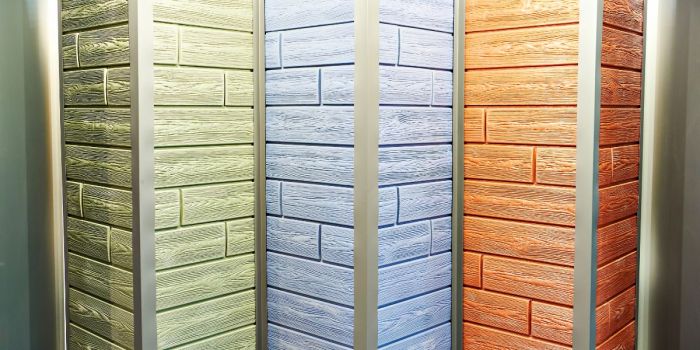
- Traditional Vinyl Siding: This is the most common type of vinyl siding used in commercial projects. It is durable, cost-effective, and comes in a variety of colors and textures.
- Insulated Vinyl Siding: This type of siding has a layer of insulation attached to the back, providing better energy efficiency and noise reduction.
- Premium Vinyl Siding: Premium vinyl siding offers enhanced durability and resistance to extreme weather conditions, making it ideal for commercial buildings in harsh climates.
Installation Techniques
- Standard Lap Installation: This is the most common technique where siding panels overlap each other horizontally. It provides a classic look and good protection against the elements.
- Vertical Installation: In some cases, contractors may opt for vertical installation for a unique aesthetic appeal or to complement the building's architecture.
- Insulated Backer Installation: For projects that require additional insulation, contractors may use insulated backer panels to improve energy efficiency.
Importance of Selection
Choosing the right materials and techniques for a commercial vinyl siding project is crucial for ensuring durability, energy efficiency, and overall aesthetics. The selection should be based on the specific needs and requirements of the building, as well as the environmental factors that may impact the longevity of the siding.
Cost Estimation and Budgeting
When it comes to commercial vinyl siding projects, understanding the cost estimation and budgeting process is crucial. Vinyl siding contractors take into account various factors that can influence the final cost of the project. Additionally, they can provide valuable tips on budgeting and help clients optimize their budget without compromising quality.
Factors Influencing Cost Estimation
- The size of the project: The square footage of the building will have a direct impact on the cost of materials and labor.
- Choice of materials: Different types of vinyl siding come at varying price points, affecting the overall cost of the project.
- Complexity of the design: Intricate designs or architectural details may require more time and labor, increasing the cost.
- Additional services: Factors like insulation, removal of old siding, or trim work can add to the total cost of the project.
Tips on Budgeting
- Set a realistic budget: Define your budget early on and communicate it clearly with the contractor to avoid any surprises.
- Prioritize: Identify the key elements of the project that are non-negotiable and allocate your budget accordingly.
- Get multiple quotes: Compare estimates from different contractors to ensure you are getting a fair price for the work.
- Plan for contingencies: Leave room in your budget for unexpected expenses that may arise during the project.
Optimizing Budget Without Compromising Quality
- Value engineering: Contractors can suggest cost-effective alternatives without sacrificing quality, helping you stay within budget.
- Efficient planning: Proper project management and scheduling can reduce labor costs and avoid delays that may inflate the budget.
- Quality materials: Investing in high-quality materials upfront can save you money in the long run by reducing maintenance and replacement costs.
Project Management and Timelines
Commercial vinyl siding contractors typically follow a structured project management approach to ensure the successful completion of projects within specified timelines. Effective project coordination and communication are key elements in achieving this goal.
Typical Project Management Approach
Contractors start by conducting a thorough assessment of the project requirements, including the scope of work, timeline, and budget. They then develop a detailed project plan outlining tasks, milestones, and responsibilities. Regular meetings and progress updates are scheduled to monitor the project's status and address any issues that may arise.
- Assigning a dedicated project manager to oversee all aspects of the project
- Obtaining necessary permits and approvals before commencing work
- Setting clear timelines for each phase of the project
- Regular inspections to ensure quality workmanship
Ensuring Timely Completion
To ensure timely completion, contractors implement strategies such as:
- Setting realistic deadlines based on the scope of work and available resources
- Regularly monitoring progress and adjusting schedules as needed
- Promptly addressing any issues or delays that may impact the project timeline
Effective Communication and Coordination
Open communication and effective coordination between contractors and clients are essential for project success. Strategies include:
- Providing regular updates on project progress to clients
- Addressing client concerns or feedback promptly
- Maintaining a clear line of communication through phone, email, or in-person meetings
- Collaborating with subcontractors and suppliers to ensure timely delivery of materials
Last Point
In conclusion, commercial vinyl siding contractors bring a unique blend of skill and artistry to every project they undertake. By understanding their qualifications, materials, and project management techniques, you can ensure a smooth and successful siding installation for your commercial property.
Trust the experts to deliver quality results that stand the test of time.
FAQ Resource
What qualifications should commercial vinyl siding contractors possess?
Commercial vinyl siding contractors should ideally possess certifications from reputable organizations, along with ample experience in handling commercial projects.
How do certifications contribute to the credibility of vinyl siding contractors?
Certifications serve as a testament to a contractor's expertise and commitment to quality workmanship, instilling confidence in clients.
What factors influence the cost estimation provided by vinyl siding contractors?
The size of the project, choice of materials, and complexity of installation are key factors that impact the overall cost estimation for a commercial vinyl siding project.
How do commercial vinyl siding contractors ensure timely completion of projects?
Contractors follow a structured project management approach, emphasizing efficient coordination, communication, and adherence to specified timelines to ensure timely completion.