


With vinyl siding cleaning services at the forefront, this paragraph opens a window to an amazing start and intrigue, inviting readers to embark on a storytelling journey filled with unexpected twists and insights.
Regular cleaning of vinyl siding is essential to maintain its longevity and appearance. From battling dirt, grime, to mold, the importance of professional cleaning services cannot be understated. Let's delve into the world of vinyl siding cleaning and explore the best methods, equipment, and safety measures for a pristine home exterior.
Importance of Vinyl Siding Cleaning Services
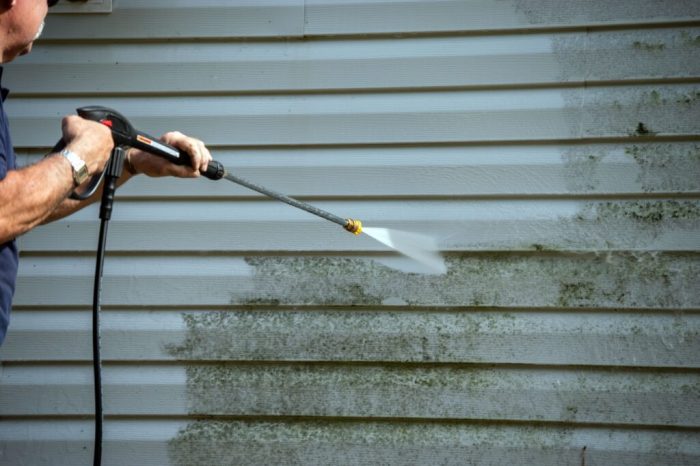
Regular cleaning is essential to maintain the longevity and appearance of vinyl siding. Over time, dirt, grime, and mold can accumulate on the surface of the siding, leading to potential damage if not properly cleaned. Professional cleaning services offer several advantages over DIY methods, ensuring a thorough and effective cleaning process.
Prevention of Damage
- Regular cleaning helps prevent dirt and grime from building up and causing permanent stains on the vinyl siding.
- Removing mold and mildew promptly can prevent them from spreading and causing structural damage to the siding.
Enhanced Curb Appeal
- Professional cleaning services can restore the original color and finish of the vinyl siding, enhancing the overall curb appeal of the property.
- Regular cleaning can help maintain the aesthetic appeal of the siding, making it look fresh and well-maintained.
Time and Cost Savings
- Hiring professional cleaning services saves time and effort compared to DIY methods, ensuring a more efficient and thorough cleaning process.
- Professional cleaners have the necessary equipment and expertise to clean vinyl siding effectively, reducing the risk of damage that could result from improper cleaning techniques.
Methods and Techniques for Cleaning Vinyl Siding
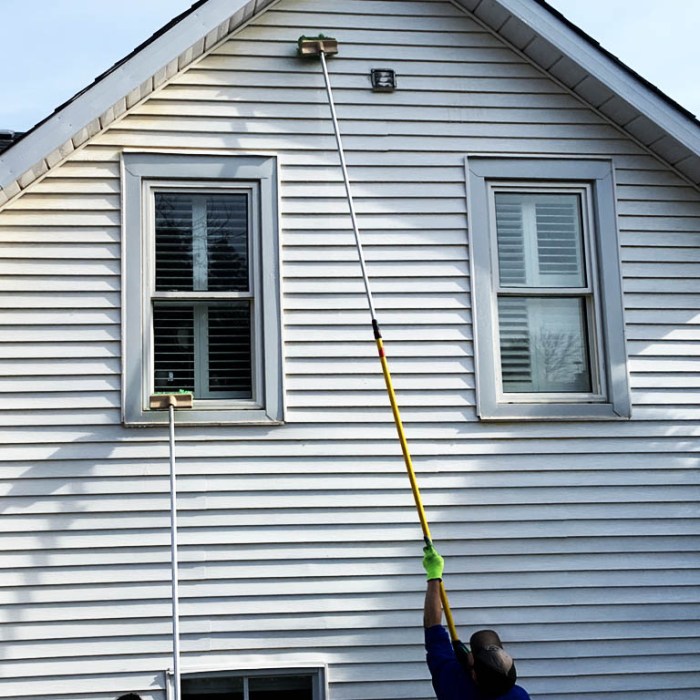
Vinyl siding can accumulate dirt, grime, mold, and mildew over time, affecting the overall appearance of your home. Cleaning vinyl siding is essential to maintain its aesthetic appeal and prolong its lifespan. There are several methods and techniques available for effectively cleaning vinyl siding, each with its own benefits and considerations.
Pressure Washing
Pressure washing involves using a high-pressure water spray to clean the vinyl siding. It is a quick and efficient method for removing dirt and grime, but it can also potentially damage the siding if not done correctly. The high pressure can force water behind the siding, leading to moisture issues and mold growth if not properly managed.
It is important to adjust the pressure and nozzle settings to avoid causing any harm to the siding.
Soft Washing
Soft washing is a gentler alternative to pressure washing, using lower water pressure and specialized cleaning solutions to remove dirt and grime from the vinyl siding. This method is less likely to cause damage to the siding and is effective in cleaning without the risk of water intrusion.
Soft washing is recommended for delicate or older vinyl siding that may be more susceptible to damage.
Hand Washing
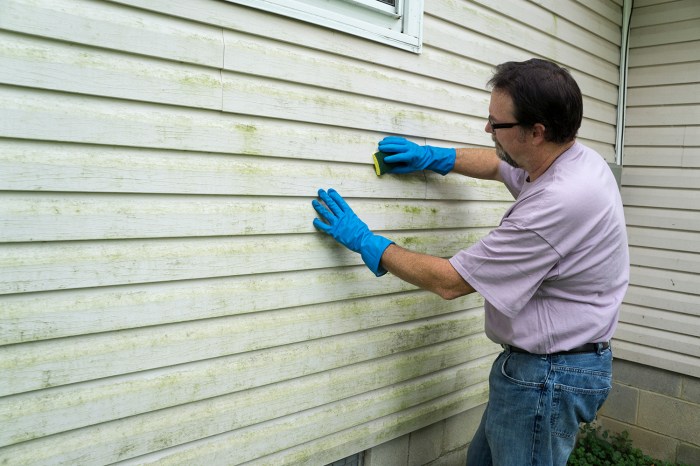
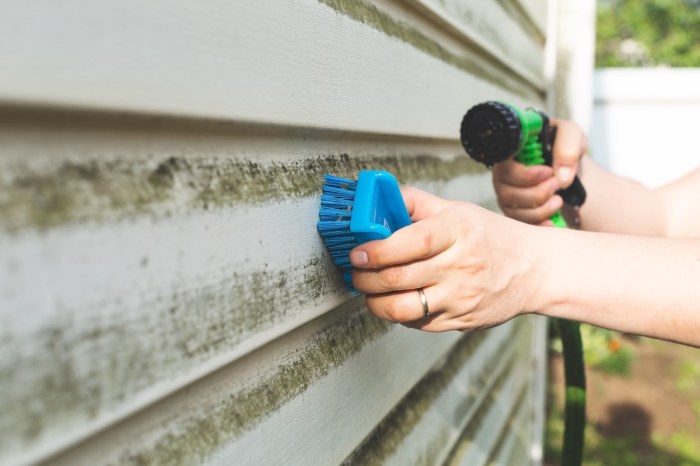
Hand washing involves manually scrubbing the vinyl siding with a soft brush or cloth and a mild cleaning solution. While it may take more time and effort compared to pressure washing or soft washing, hand washing allows for more precise cleaning and control over the process.
It is a suitable method for spot cleaning or for areas that require extra attention.
Best Practices for Cleaning Vinyl Siding
- Always start cleaning from the bottom and work your way up to prevent streaking.
- Use a soft brush or cloth to avoid scratching the surface of the siding.
- Rinse thoroughly with clean water after cleaning to remove any residue.
- Avoid using harsh chemicals or abrasive materials that can damage the vinyl siding.
- Consider hiring a professional cleaning service for large or difficult-to-clean areas.
Equipment and Products Used in Vinyl Siding Cleaning
Cleaning vinyl siding requires specific equipment and products to ensure effective and safe results. The choice of tools and cleaners can greatly impact the outcome of the cleaning process.
Essential Equipment for Cleaning Vinyl Siding
- Pressure washer: An essential tool for efficiently removing dirt, grime, and mildew from vinyl siding.
- Soft bristle brush: To scrub away stubborn stains and reach areas that the pressure washer might miss.
- Ladder: To safely access higher parts of the siding for thorough cleaning.
- Hose with a nozzle: For rinsing off the cleaning solution and ensuring a spotless finish.
Different Cleaning Products for Vinyl Siding
- Detergents: Mild detergents mixed with water can effectively clean vinyl siding without causing damage.
- Bleach: A diluted bleach solution can be used to remove mold and mildew stains, but it should be handled carefully due to its harsh nature.
- Specialized cleaners: There are specific vinyl siding cleaners available in the market that are formulated to tackle tough stains without harming the siding material.
Impact of Equipment and Products on Cleaning Results
Using the right equipment and products is crucial for achieving desirable cleaning results without damaging the vinyl siding. Pressure washers provide efficient cleaning power, while soft bristle brushes ensure a thorough scrubbing without causing scratches. The choice of cleaning products also plays a significant role, as using harsh chemicals or incorrect cleaners can lead to discoloration or damage to the siding.
It is essential to follow manufacturer recommendations and proper cleaning techniques to maintain the integrity and appearance of the vinyl siding.
Safety Measures During Vinyl Siding Cleaning
When it comes to cleaning vinyl siding, safety should always be a top priority. There are risks associated with using certain chemicals and equipment that need to be considered. Additionally, it's important to take precautions to protect surrounding plants, landscaping, and other surfaces from potential damage during the cleaning process.
Safety Precautions to Follow When Cleaning Vinyl Siding
- Always wear protective gear such as gloves, goggles, and a mask to prevent contact with chemicals and debris.
- Avoid using harsh chemicals or abrasive tools that can cause damage to the siding or surrounding areas.
- Work on a stable surface and use a ladder with proper safety features to prevent falls.
- Follow manufacturer's instructions for any cleaning products or equipment used.
Risks Associated with Using Certain Chemicals and Equipment
- Chemicals like bleach or ammonia can be harmful if not used properly, causing skin irritation or respiratory issues.
- Pressure washers set at high pressure can damage the siding or even cause injury if not handled correctly.
- Improper use of ladders can lead to falls and injuries, so ensure they are set up securely and on level ground.
Tips for Protecting Surrounding Plants, Landscaping, and Surfaces During Cleaning
- Water surrounding plants before and after cleaning to minimize the impact of any chemicals used.
- Cover delicate plants or landscaping with a tarp or plastic sheet to shield them from overspray or runoff.
- Rinse off any nearby surfaces like windows, doors, or outdoor furniture that may come into contact with cleaning solutions.
DIY vs. Professional Vinyl Siding Cleaning Services
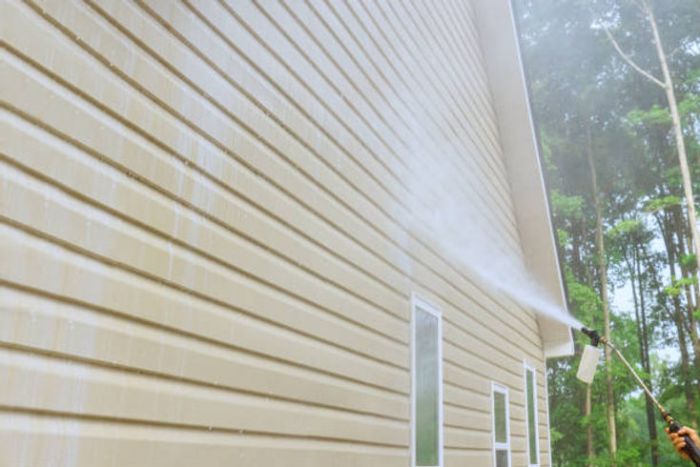
When it comes to cleaning vinyl siding, homeowners often face the decision of whether to tackle the job themselves or hire professional services. Each option comes with its own set of advantages and disadvantages, depending on the complexity of the task and individual preferences.
Advantages and Disadvantages
DIY cleaning and professional services both have their pros and cons. It's essential to weigh these factors before making a decision.
- DIY Cleaning:
- Advantages:
- Cost-effective as you won't have to pay for professional services.
- Allows you to work at your own pace and convenience.
- Opportunity to personally ensure the quality of the cleaning.
- Disadvantages:
- Requires time, effort, and physical labor.
- May lack access to professional-grade equipment and products.
- Risk of making mistakes that could damage the siding.
- Professional Services:
- Advantages:
- Expertise and experience in handling various types of siding.
- Access to specialized equipment and cleaning solutions for better results.
- Time-saving and convenient for those with busy schedules.
- Disadvantages:
- Costlier than DIY cleaning.
- Dependence on the availability and reliability of the service provider.
- Lack of personal involvement in the cleaning process.
Common Mistakes and Avoidance
DIY cleaning can lead to errors that professionals are trained to avoid, ensuring a more effective and safe cleaning process.
- Using harsh chemicals that may damage the siding.
- Improper pressure washing techniques leading to water infiltration.
- Failure to rinse off cleaning solutions thoroughly, leaving residue.
Scenarios for DIY and Professional Services
While DIY cleaning may suffice for routine maintenance and light dirt removal, certain situations call for professional intervention.
- DIY Cleaning:
- Regular cleaning to maintain the siding's appearance.
- Minimal dirt and grime buildup that can be easily removed.
- Professional Services:
- Heavy mold, mildew, or algae growth requiring specialized treatment.
- Extensive staining or discoloration that DIY methods cannot effectively address.
- Signs of damage or deterioration that need expert assessment and repair.
Outcome Summary
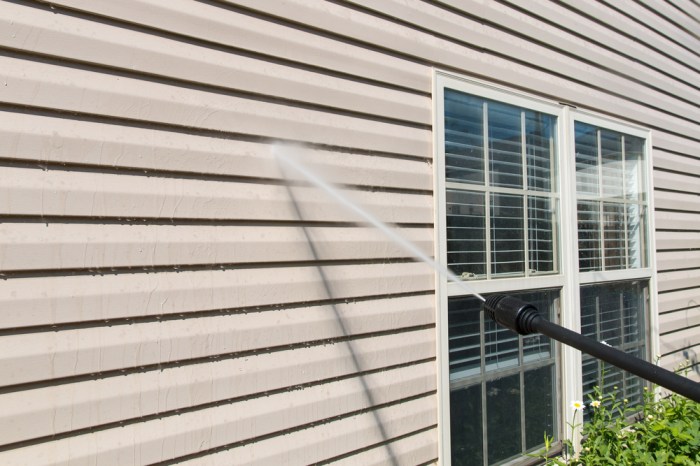
In conclusion, investing in professional vinyl siding cleaning services not only enhances the curb appeal of your home but also ensures the longevity of your siding. By understanding the importance of regular cleaning, choosing the right methods, and prioritizing safety measures, you can enjoy a beautifully maintained home exterior for years to come.
FAQ Corner
Why is regular cleaning crucial for maintaining vinyl siding?
Regular cleaning prevents dirt, grime, and mold buildup, which can damage the siding over time and impact its appearance.
What are the differences between pressure washing, soft washing, and hand washing for cleaning vinyl siding?
Pressure washing uses high-pressure water, soft washing uses low-pressure water with cleaning solutions, and hand washing involves manual scrubbing. Each method has varying effectiveness and potential for damage.
What equipment is essential for cleaning vinyl siding?
Essential equipment includes a pressure washer, soft bristle brush, and safety gear like goggles and gloves.
When is DIY cleaning sufficient, and when should professional services be considered?
DIY cleaning may suffice for light maintenance, but professional services are necessary for deep cleaning, stubborn stains, or if unsure about proper techniques.