


Diving into the realm of building exterior siding systems, this introduction aims to captivate readers by shedding light on the various aspects of this crucial element in construction. From different types of materials to installation and maintenance tips, this guide covers it all in a manner that is informative yet engaging.
Detailing the intricacies of siding systems and their impact on the overall structure of a building, this overview sets the stage for a deeper dive into this essential component of construction projects.
Types of Building Exterior Siding Systems
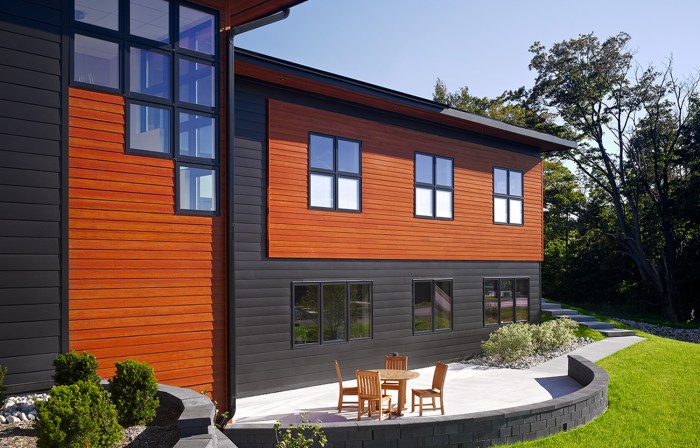
Building exterior siding systems are essential for protecting structures from the elements while enhancing their aesthetic appeal. There are several common types of siding systems, each with its unique characteristics and benefits.
Vinyl Siding
- Vinyl siding is a popular choice due to its affordability and low maintenance requirements.
- It comes in a wide range of colors and styles, offering versatility in design.
- However, vinyl siding may crack or fade over time, and it is not as durable as some other materials.
Fiber Cement Siding
- Fiber cement siding is known for its durability and resistance to fire, insects, and moisture.
- It can mimic the look of wood or stucco without the maintenance issues associated with those materials.
- On the downside, fiber cement siding is heavier and more expensive to install compared to other options.
Wood Siding
- Wood siding provides a natural, timeless aesthetic and can be painted or stained to match any design preference.
- It is eco-friendly and can last for decades with proper maintenance.
- However, wood siding is prone to rot, insect damage, and requires regular upkeep such as painting or staining.
Brick Siding
- Brick siding offers a classic, elegant look that is highly durable and requires minimal maintenance.
- It provides excellent insulation and is fire-resistant.
- Despite its durability, brick siding can be costly to install and repair if damaged.
Installation of Building Exterior Siding Systems
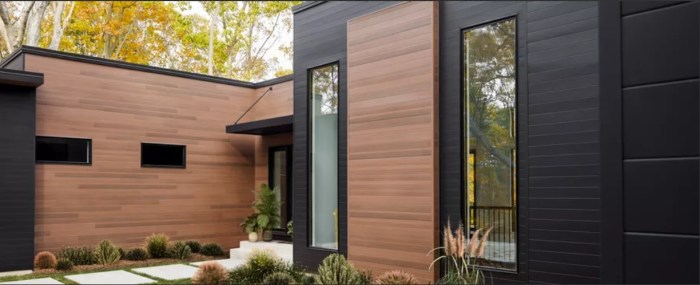
Installing building exterior siding systems involves several general steps to ensure a proper and durable installation. It is crucial to follow these steps carefully to achieve the desired results.
General Steps for Installation:
- Prepare the surface: Ensure the surface is clean, smooth, and free of any debris before installing the siding.
- Measure and cut the siding: Accurately measure and cut the siding panels according to the dimensions of the building.
- Install the starter strip: Begin by installing the starter strip at the bottom of the wall to provide a level base for the siding.
- Attach the siding panels: Secure the siding panels to the wall using nails, screws, or clips, following the manufacturer's guidelines.
- Finish with trim and accessories: Complete the installation by adding trim pieces and accessories to give the siding a polished look.
Tools and Equipment Required:
- Hammer or nail gun for fastening the siding panels.
- Tape measure and chalk line for accurate measurements and alignment.
- Saw or cutting tool for cutting the siding panels to the correct size.
- Ladder or scaffolding for reaching higher areas of the building.
- Level and square to ensure the siding is installed straight and square.
Tips for a Proper Installation:
- Follow manufacturer instructions: Always refer to the manufacturer's installation guidelines for the specific siding system being used.
- Use proper fasteners: Use the recommended nails, screws, or clips to secure the siding panels in place.
- Allow for expansion and contraction: Leave space for the siding to expand and contract with temperature changes to prevent buckling or warping.
- Seal joints and edges: Seal any gaps or joints in the siding with caulking to prevent water infiltration and ensure durability.
Maintenance and Care of Building Exterior Siding Systems
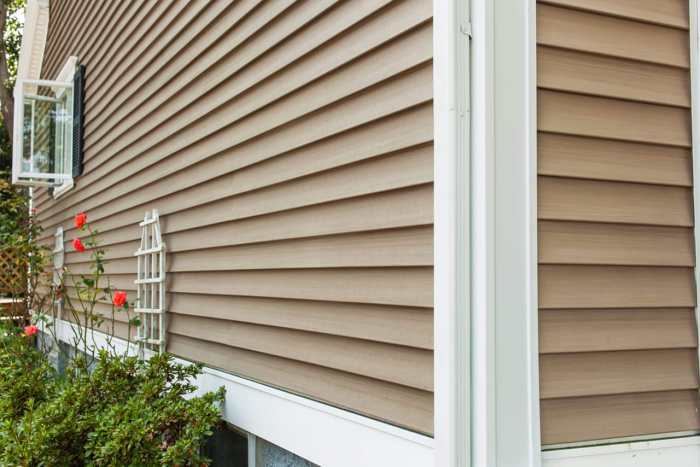
Regular maintenance and proper care are essential for keeping building exterior siding systems in good condition. By following best practices, identifying common issues, and taking preventive measures, you can extend the lifespan of your siding and ensure it looks great for years to come.
Best Practices for Maintaining and Cleaning Siding Systems
- Regularly inspect the siding for any signs of damage, such as cracks, holes, or discoloration.
- Clean the siding at least once a year using a mild detergent and a soft brush or cloth to remove dirt, grime, and mildew.
- Avoid using harsh chemicals or power washers, as they can damage the siding material.
- Trim any vegetation around the siding to prevent mold and mildew growth.
- Repair any damaged areas promptly to prevent further issues.
Identifying Common Issues or Damage in Siding Systems
- Cracks or gaps in the siding that can allow water to seep in and cause moisture damage.
- Warped or buckled siding, which may indicate underlying structural issues.
- Faded or discolored siding, which can be a sign of UV damage or aging.
- Mold or mildew growth, which can occur in damp or shaded areas.
- Pest infestations, such as termites or carpenter ants, that can damage the siding material.
Tips for Prolonging the Lifespan of Siding Systems
- Regularly clean and inspect the siding to catch any issues early.
- Apply a protective coating or sealant to help repel water and prevent damage.
- Ensure proper ventilation around the siding to prevent moisture buildup.
- Consider investing in high-quality siding materials that are durable and long-lasting.
- Consult a professional if you notice any significant damage or issues with your siding.
Energy Efficiency and Insulation in Building Exterior Siding Systems
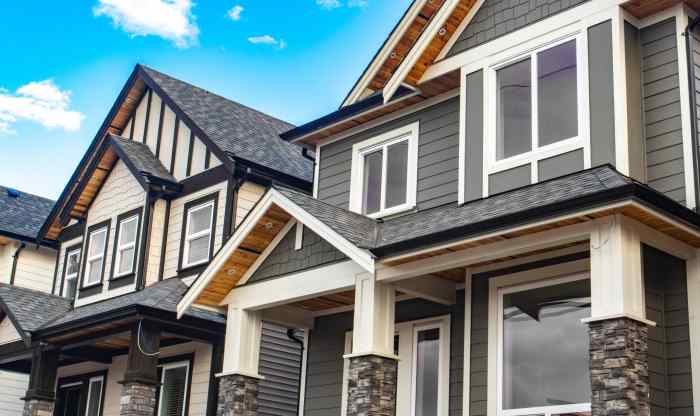
When it comes to the energy efficiency of a building, the choice of siding material plays a crucial role. Different siding materials have varying levels of insulation properties that can impact the overall energy consumption of a structure.
Insulation Properties of Siding Materials
Various siding materials offer different levels of insulation to a building. For example, vinyl siding is known for its thermal insulation properties, helping to regulate indoor temperatures and reduce the need for excessive heating or cooling. On the other hand, materials like wood siding may require additional insulation to enhance energy efficiency.
Role of Insulation in Siding Systems
- Insulation in siding systems acts as a barrier against heat transfer, helping to maintain a comfortable indoor environment without over-reliance on heating or cooling systems.
- Proper insulation can reduce energy costs by minimizing heat loss during winter and heat gain during summer, ultimately leading to significant energy savings.
- Insulation also plays a role in soundproofing, providing a quieter and more peaceful indoor environment by minimizing external noise penetration.
Enhancing Insulation Properties of Siding Systems
- Consider adding an extra layer of insulation behind the siding material to improve thermal resistance and energy efficiency.
- Opt for insulated siding options that come with built-in insulation materials, such as foam backing, to enhance the overall insulation properties of the siding system.
- Regular maintenance and inspection of siding systems can help identify areas where insulation may be lacking or damaged, allowing for timely repairs or upgrades to improve energy efficiency.
Outcome Summary
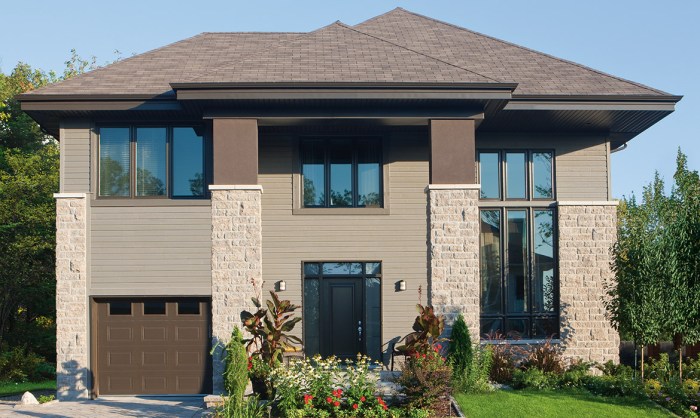
In conclusion, building exterior siding systems play a vital role in not just enhancing the aesthetics of a structure but also ensuring its longevity and durability. By understanding the nuances of different siding materials and proper installation techniques, individuals can make informed decisions to protect their investment and create a visually appealing exterior.
FAQ Summary
What are the most common types of building exterior siding systems?
Common types include vinyl, wood, fiber cement, and metal siding systems.
What tools and equipment are needed for installing building exterior siding systems?
Tools such as a hammer, nails, a level, a saw, and safety gear are essential for a successful installation.
How can I identify common issues or damage in siding systems?
Look out for signs of rot, warping, cracking, or discoloration which may indicate problems with the siding.
Do different siding materials have varying impacts on energy efficiency?
Yes, certain materials like insulated vinyl siding can improve energy efficiency by providing better insulation.
What are some innovative ways to enhance the insulation properties of building exterior siding systems?
Consider using reflective barriers or adding extra insulation layers to improve energy efficiency.