


Embark on the journey of horizontal vinyl siding installation, exploring its benefits, installation process, and maintenance tips. Get ready to dive into the world of home improvement with this comprehensive guide.
Understanding Horizontal Vinyl Siding Installation
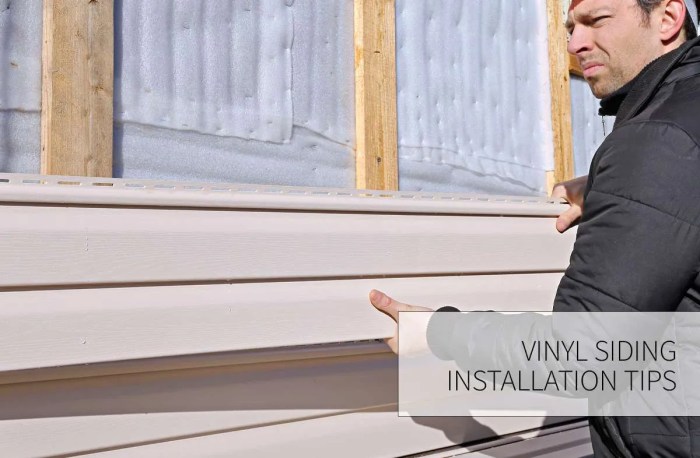
Horizontal vinyl siding is a popular choice for homeowners due to its durability, low maintenance, and aesthetic appeal. It is also cost-effective and comes in a variety of colors and styles to suit different preferences.
Benefits of Horizontal Vinyl Siding
- Low maintenance: Vinyl siding is easy to clean and does not require painting.
- Durability: Vinyl siding is resistant to rot, rust, and pests, making it a long-lasting option for your home.
- Energy efficiency: Insulated vinyl siding can help improve your home's energy efficiency by reducing heat loss.
- Curb appeal: Horizontal vinyl siding can enhance the appearance of your home and increase its value.
Tools and Materials Needed
Before starting the installation process, gather the following tools and materials:
- Vinyl siding panels
- J-channel
- F-channel
- Utility knife
- Tin snips
- Tape measure
- Level
- Hammer
- Nails
- Caulk
Preparing the Wall
Prior to installing horizontal vinyl siding, it is essential to prepare the wall properly. Follow these steps:
- Clean the wall surface to remove any dirt, dust, or debris.
- Inspect the wall for any signs of damage and make necessary repairs.
- Install a moisture barrier to protect the wall from water damage.
- Measure and mark the layout of the siding panels to ensure a proper fit.
- Install the J-channel and F-channel around windows, doors, and corners to provide a finished look.
Horizontal Vinyl Siding Installation Process
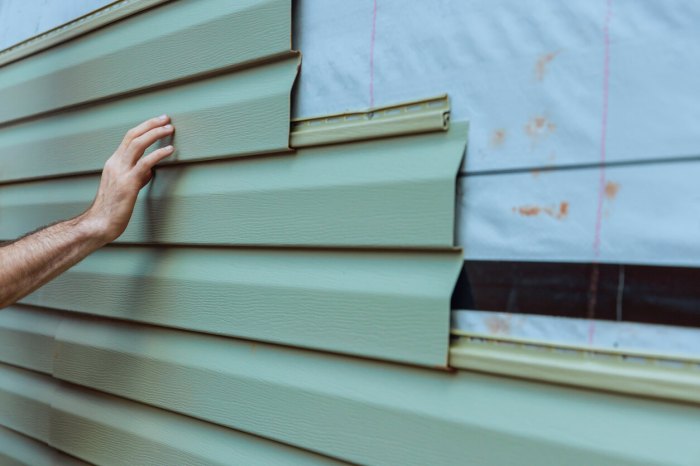
When it comes to installing horizontal vinyl siding, there are several key steps to ensure a successful and long-lasting installation. From measuring accurately to using the right tools, each step plays a crucial role in the overall outcome of the project.
Measuring for Horizontal Vinyl Siding
Proper measurements are essential when installing horizontal vinyl siding to ensure a seamless and professional finish. Before starting the installation process, it is important to measure the walls where the siding will be installed accurately. This includes measuring the length and height of each wall to determine the amount of siding needed for the project.
Cutting Vinyl Siding Panels
One of the most critical steps in horizontal vinyl siding installation is cutting the siding panels to fit the specific measurements of the walls. To cut vinyl siding panels, use a sharp utility knife or vinyl siding cutter to make precise cuts.
It is crucial to measure twice and cut once to avoid any mistakes that could affect the overall appearance of the siding.
Importance of Starter Strips and J-Channels
Starter strips and J-channels are essential components in horizontal vinyl siding installation. The starter strip is installed at the bottom of the wall to provide a secure base for the first row of siding panels. J-channels are used to trim the edges of the siding panels and provide a clean finish.
These components not only enhance the appearance of the siding but also help protect it from moisture and other elements.
Installing Horizontal Vinyl Siding
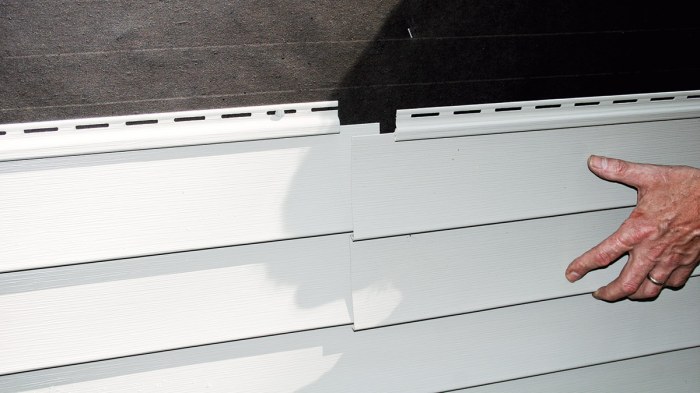
Installing horizontal vinyl siding requires careful attention to detail to ensure a smooth and professional-looking finish. Proper alignment, securing the panels securely to the wall, and installing corners and trim correctly are essential steps in the process.
Tips for Ensuring Proper Alignment
- Start by snapping a level chalk line at the bottom of the wall to serve as a guide for the first row of siding.
- Use a level to ensure each panel is installed straight and aligned with the previous panel.
- Check the alignment regularly as you work your way up the wall to prevent any noticeable discrepancies.
- Adjust as needed to maintain a consistent and straight appearance across the entire wall.
Securing Vinyl Siding Panels to the Wall
- Fasten each panel to the wall using nails or screws placed in the pre-drilled holes along the top edge of the panel.
- Avoid overdriving the fasteners, as this can cause the siding to buckle or warp.
- Leave a small gap between the nail head and the siding to allow for expansion and contraction in changing temperatures.
- Ensure the panels are securely attached but still have some room to move as needed.
Corner and Trim Installation for Horizontal Vinyl Siding
- Install corner pieces where two walls meet to provide a finished look and added protection against moisture.
- Secure corner pieces with nails or screws, making sure they are level and aligned with the siding panels.
- For trim pieces around windows, doors, and other openings, measure and cut them to fit precisely before securing them in place.
- Use trim pieces to cover any exposed edges and create a clean and polished appearance for your horizontal vinyl siding installation.
Maintenance and Care of Horizontal Vinyl Siding
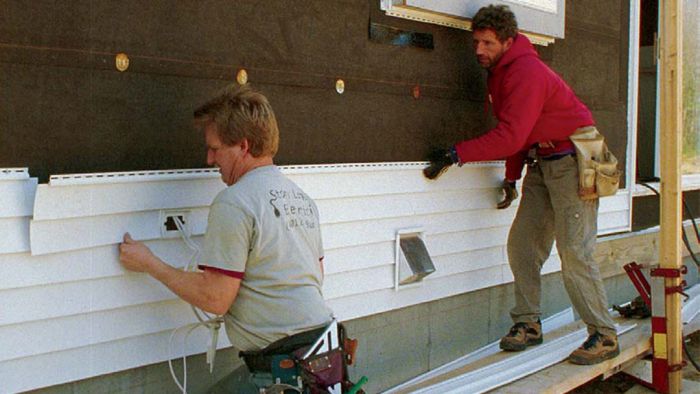
Proper maintenance and care are essential to ensure the longevity and appearance of your horizontal vinyl siding. Regular cleaning, inspections for damage, and protection from weather elements are key aspects to consider.
Cleaning Horizontal Vinyl Siding
- Use a mixture of mild soap and water to clean the siding, applying it with a soft brush or cloth.
- Rinse thoroughly with a garden hose, making sure to remove all soap residue.
- Avoid using abrasive cleaners or high-pressure washers, as they can damage the siding.
- Regularly clean gutters and downspouts to prevent overflow onto the siding.
Inspecting and Repairing Horizontal Vinyl Siding
- Regularly inspect the siding for signs of damage such as cracks, chips, or warping.
- Address any damage promptly by replacing the affected panels or sections.
- Consider hiring a professional if the damage is extensive or if you are unsure about making repairs yourself.
- Check for signs of moisture or mold growth, as these can indicate underlying issues that need to be addressed.
Protecting Horizontal Vinyl Siding from Weather Elements
- Trim trees and bushes near the siding to prevent branches from scratching or damaging the surface.
- Install splash guards or diverters to direct water away from the siding and prevent water damage.
- Consider applying a protective coating or sealant to enhance the durability of the siding.
- Inspect caulking around windows and doors to ensure a tight seal and prevent water infiltration.
Ultimate Conclusion
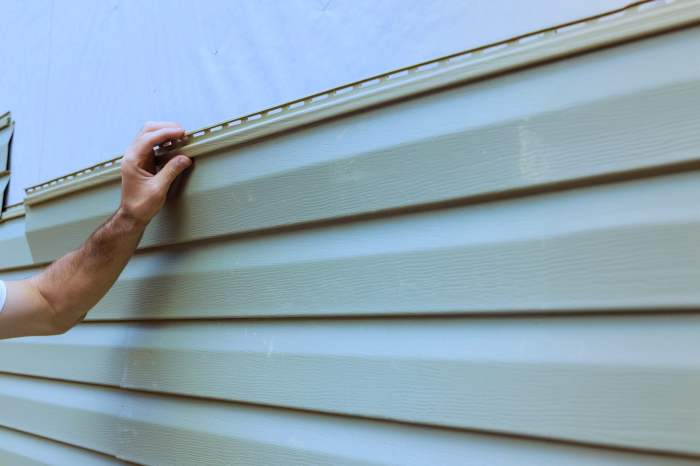
In conclusion, horizontal vinyl siding installation is a practical and visually appealing choice for your home. With proper care and maintenance, your siding can last for years, enhancing the aesthetic appeal of your property. Take the first step towards transforming your home with horizontal vinyl siding installation today.
FAQ Insights
What are the benefits of horizontal vinyl siding?
Horizontal vinyl siding is durable, low maintenance, and comes in a variety of colors and styles to enhance your home's curb appeal.
How do you secure vinyl siding panels to the wall?
Use nails or screws to attach the panels to the wall, making sure to leave room for expansion and contraction due to temperature changes.
What are starter strips and J-channels used for in horizontal vinyl siding installation?
Starter strips help secure the first row of siding, while J-channels provide a finished look and support for the siding panels.
How can you protect horizontal vinyl siding from weather elements?
Regularly clean the siding, inspect for any damage, and make repairs promptly. Consider using a protective coating to enhance durability.