


Vinyl siding installation services offer homeowners a durable and aesthetically pleasing solution to enhance their property. As we delve into the world of vinyl siding, we uncover the myriad benefits it brings compared to traditional siding materials. Professional installation services play a crucial role in ensuring a seamless process and long-lasting results, making it essential to understand the intricacies of the installation journey.
Throughout this comprehensive guide, we will explore the key aspects of vinyl siding installation services, from choosing the right company to maintenance tips for long-term upkeep. Let's embark on this informative and engaging exploration together.
Introduction to Vinyl Siding Installation Services
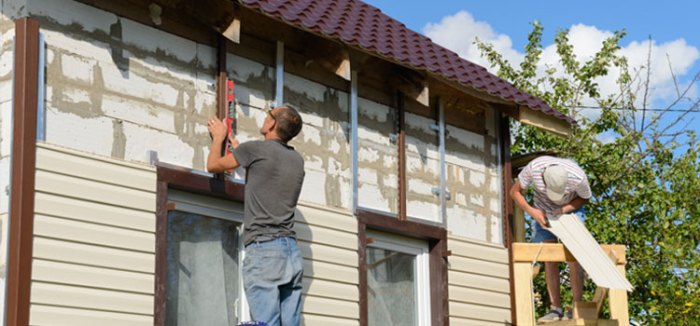
Vinyl siding is a popular choice for exterior cladding on residential properties due to its durability, low maintenance requirements, and versatility in design. Compared to other siding materials such as wood or aluminum, vinyl siding offers a cost-effective solution that does not require painting and is resistant to rot, insects, and moisture.Professional installation services for vinyl siding are crucial to ensure a proper and long-lasting installation.
Trained professionals have the expertise and tools necessary to correctly install the siding, ensuring that it is properly aligned, secured, and sealed to protect the home from the elements.The typical process of installing vinyl siding on a residential property involves several steps.
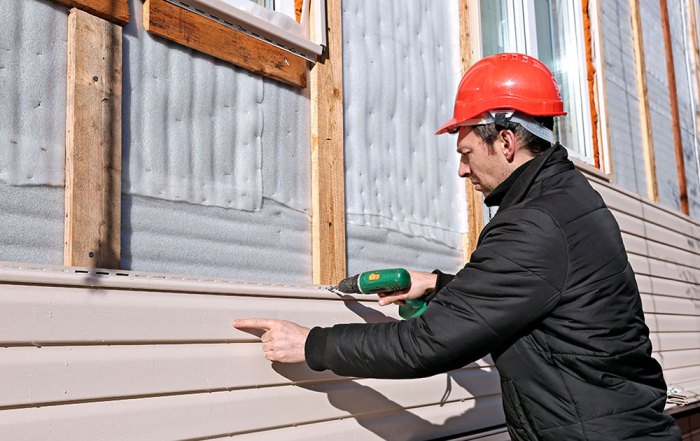
First, the existing siding may need to be removed, and the exterior of the home inspected for any repairs or preparation work needed. Next, a moisture barrier and insulation may be added to improve energy efficiency. The siding panels are then measured, cut, and installed according to the manufacturer's specifications.
Finally, the finishing touches such as trim and accessories are added to complete the installation.
Benefits of Vinyl Siding
- Versatility in design options to suit various architectural styles
- Durable and long-lasting, resisting fading, cracking, and warping
- Low maintenance requirements, only needing occasional cleaning with soap and water
- Cost-effective compared to other siding materials
- Energy-efficient with the option to add insulation during installation
Choosing the Right Vinyl Siding Installation Company
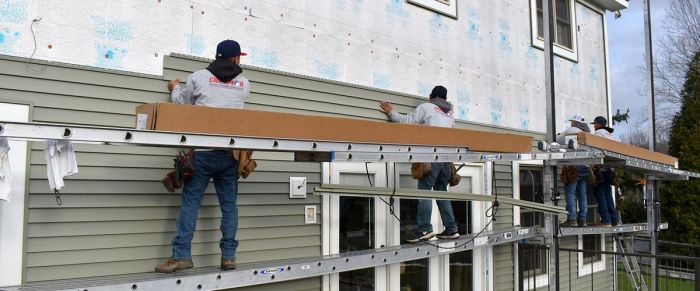
When selecting a vinyl siding installation company, it is essential to consider various factors to ensure you choose the right one for your needs.
Factors to Consider:
- Experience: Look for a company with a proven track record in vinyl siding installation.
- Reputation: Check online reviews and ask for referrals to gauge the company's reputation.
- Licensing and Insurance: Ensure the company is licensed and properly insured for your protection.
- Price: Compare quotes from different companies to find a competitive and fair price.
- Quality of Materials: Inquire about the types of vinyl siding they offer and ensure they use high-quality materials.
Types of Vinyl Siding:
- Horizontal Vinyl Siding: Traditional style that mimics the look of wood clapboard.
- Vertical Vinyl Siding: Offers a modern and sleek appearance.
- Shake Vinyl Siding: Resembles the look of cedar shakes for a rustic aesthetic.
Importance of Warranties and Guarantees:
When choosing a vinyl siding installation company, it is crucial to consider the warranties and guarantees they offer. A reputable company should provide warranties on both labor and materials to protect you in case of any issues post-installation. Be sure to understand the terms and length of the warranty before making your decision.
Pre-Installation Preparation
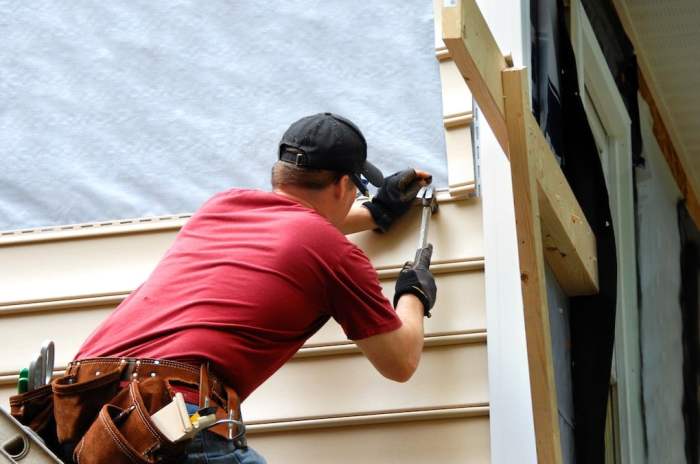
Before the vinyl siding installation process begins, homeowners need to take certain steps to ensure a smooth and successful outcome. This includes inspecting the property for any pre-existing issues that may affect the installation process and properly preparing the exterior of the house.Inspecting the Property:It is crucial for homeowners to carefully inspect their property before the installation begins.
This includes checking for any structural issues, water damage, or mold that could impact the installation of the vinyl siding. Addressing these issues beforehand will prevent any complications during the installation process.Cleaning and Preparing the Exterior:Properly cleaning and preparing the exterior of the house is essential for the vinyl siding to adhere correctly and look its best.
Here are some tips to help homeowners prepare their home for vinyl siding installation:
Cleaning the Exterior
- Start by removing any dirt, debris, and mold from the exterior walls using a pressure washer or a mixture of water and mild detergent.
- Inspect the walls for any loose paint or chipped areas, and make necessary repairs to ensure a smooth surface for the siding.
- Trim any overgrown bushes or trees near the house to create space for the installation crew to work efficiently.
Preparing the Surface
- Ensure that the exterior walls are dry before the installation begins to prevent moisture-related issues later on.
- Apply a house wrap or moisture barrier to provide an extra layer of protection against water infiltration.
- Check for any protrusions or irregularities on the walls that may need to be addressed before the siding is installed.
Vinyl Siding Installation Process
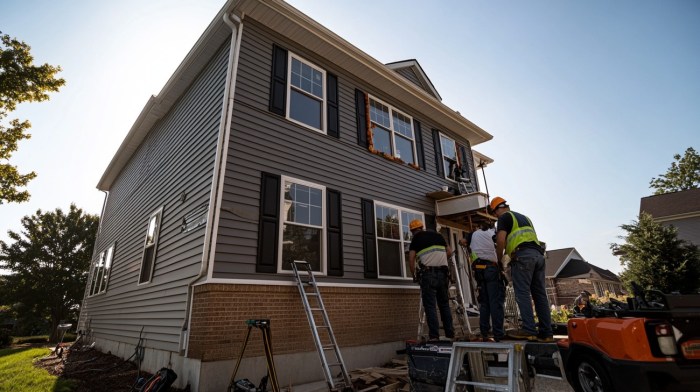
Installing vinyl siding involves several steps that need to be carefully executed to ensure a successful outcome. From initial measurements to finishing touches, each step plays a crucial role in the overall installation process.
Step-by-Step Installation Process
- 1. Measure and prepare the area: Take accurate measurements of the walls where the vinyl siding will be installed. Prepare the surface by cleaning it thoroughly and making any necessary repairs.
- 2. Install underlayment and insulation: Proper insulation is essential to ensure energy efficiency and protect against moisture. Install underlayment and insulation according to manufacturer guidelines.
- 3. Attach starter strips and corner posts: Begin by attaching starter strips at the base of the wall and corner posts at the edges to provide a secure foundation for the siding.
- 4. Hang the siding panels: Start at the bottom and work your way up, overlapping each panel to create a seamless finish. Use a level to ensure the panels are straight and properly aligned.
- 5. Add finishing touches: Install trim pieces around windows, doors, and corners to complete the look and ensure a professional finish.
Common Installation Challenges and Solutions
- 1. Warping or buckling of siding panels: This can occur due to improper installation or extreme weather conditions. Ensure panels are properly aligned and allow for expansion and contraction.
- 2. Moisture and mold issues: Inadequate insulation or improper sealing can lead to moisture buildup and mold growth. Address any insulation or sealing issues promptly to prevent further damage.
- 3. Incorrect measurements: Taking inaccurate measurements can result in wasted materials and a poor finish. Double-check all measurements before cutting or installing siding panels.
Importance of Insulation and Weatherproofing
Proper insulation and weatherproofing are essential components of vinyl siding installation. Insulation helps improve energy efficiency, regulate indoor temperature, and protect against moisture infiltration. Weatherproofing ensures that the siding is sealed tightly to prevent water penetration and maintain the structural integrity of the walls.
Maintenance and Care Tips for Vinyl Siding
Proper maintenance and care play a crucial role in extending the lifespan of your vinyl siding. By following these tips, you can keep your vinyl siding looking great for years to come.
Cleaning and Maintenance
- Regularly wash your vinyl siding with a mixture of mild soap and water to remove dirt and grime buildup.
- Avoid using harsh chemicals or abrasive tools that can damage the surface of the siding.
- Inspect your siding for any signs of damage, such as cracks or holes, and repair them promptly to prevent water infiltration.
Common Issues and Solutions
- Fading: Over time, vinyl siding may fade due to exposure to sunlight. Consider using a vinyl-safe paint to refresh the color.
- Warped Panels: Warping can occur due to extreme temperature changes. Replace any warped panels to maintain the uniform look of your siding.
- Mold and Mildew: Clean any mold or mildew growth with a solution of bleach and water to prevent it from spreading.
Professional Maintenance Services
- Consider hiring a professional siding contractor for annual inspections and maintenance to identify and address any issues early on.
- Professional cleaning services can help deep clean your vinyl siding and restore its original luster.
- If you're unsure about how to properly maintain your vinyl siding, consult with a professional for expert advice.
Conclusion
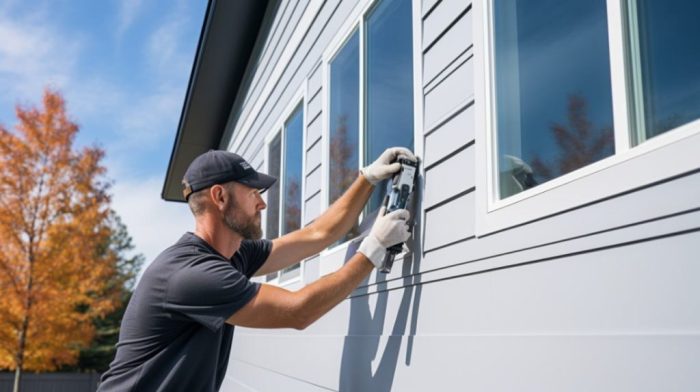
In conclusion, vinyl siding installation services offer a transformative solution for homeowners looking to elevate the appearance and functionality of their property. By prioritizing quality installation, meticulous preparation, and ongoing maintenance, you can enjoy the benefits of vinyl siding for years to come.
Take the first step towards a revitalized home with professional vinyl siding installation services today.
Common Queries
What are the benefits of vinyl siding compared to other materials?
Vinyl siding is known for its durability, low maintenance requirements, and versatility in design options, making it a popular choice among homeowners.
How important is proper insulation during the vinyl siding installation process?
Proper insulation ensures energy efficiency and protection against the elements, making it a crucial aspect of the installation process to maintain the longevity of the siding.
What are common maintenance issues with vinyl siding and how to address them?
Common issues include mold growth, fading, and warping. Regular cleaning, inspections, and timely repairs can help address these maintenance concerns.