


Embark on a journey into the world of vinyl shake siding installation, where homes transform with style and durability. From understanding the basics to mastering the art of installation, this guide offers insights and tips to create a seamless finish.
Vinyl shake siding is a popular choice for homeowners looking to enhance their exteriors with a touch of elegance and low maintenance. With a variety of styles and colors available, it offers a versatile option for any home.
Understanding Vinyl Shake Siding
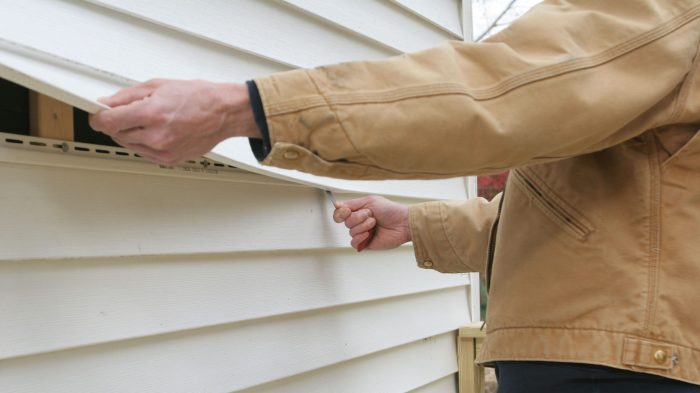
Vinyl shake siding is a type of exterior cladding material that mimics the look of traditional cedar shake siding. It is made from polyvinyl chloride (PVC) resin and comes in individual pieces that are installed on the exterior of a home.
Benefits of Vinyl Shake Siding
- Low Maintenance: Vinyl shake siding requires minimal upkeep compared to wood siding, as it does not need to be painted or stained regularly.
- Durability: Vinyl shake siding is resistant to rot, decay, and insect damage, making it a long-lasting option for homes.
- Affordability: Vinyl shake siding is more cost-effective than real cedar shake siding, providing a similar aesthetic at a lower price point.
Styles and Colors of Vinyl Shake Siding
- Styles: Vinyl shake siding comes in various styles such as half-round, staggered edge, and hand-split shake, allowing homeowners to choose the look that best suits their home's architecture.
- Colors: There is a wide range of colors available for vinyl shake siding, including natural wood tones, earthy hues, and bold shades, giving homeowners plenty of options to customize their home's exterior.
Preparation for Vinyl Shake Siding Installation
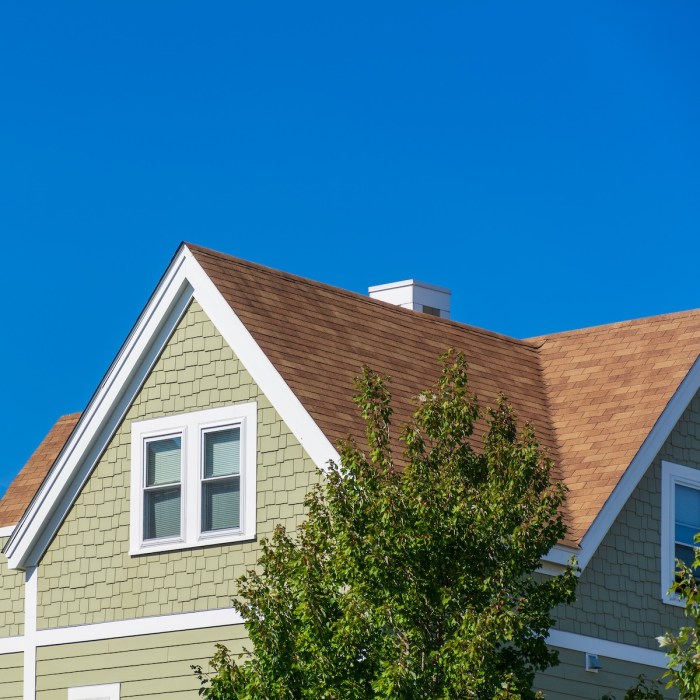
Before starting the installation process of vinyl shake siding, it is crucial to ensure that the exterior wall is properly prepared. This involves gathering the necessary tools and materials, as well as making any repairs or modifications to the wall to ensure a smooth installation process.
Tools and Materials Needed
- Vinyl shake siding panels
- Measuring tape
- Saw
- Level
- Nails or screws
- Hammer or drill
- J-trim and F-trim
- Caulk and caulking gun
- Utility knife
- House wrap or insulation
Step-by-Step Guide for Wall Preparation
- Start by removing any existing siding or cladding from the exterior wall. Ensure that the wall is clean and free of debris.
- Inspect the wall for any signs of damage, such as rot or mold. Make necessary repairs to ensure a solid foundation for the siding.
- Install house wrap or insulation to improve energy efficiency and protect the wall from moisture.
- Measure and cut the vinyl shake siding panels to fit the dimensions of the wall, allowing for overlaps at corners and edges.
- Install J-trim around windows, doors, and corners to provide a clean finish and secure the siding in place.
- Begin installing the vinyl shake siding panels from the bottom up, ensuring each panel is level and securely attached with nails or screws.
- Finish the installation by adding F-trim along the top edge of the siding to complete the look and provide additional protection.
It is essential to follow manufacturer instructions and guidelines for proper installation to ensure a durable and long-lasting result.
Installation Process
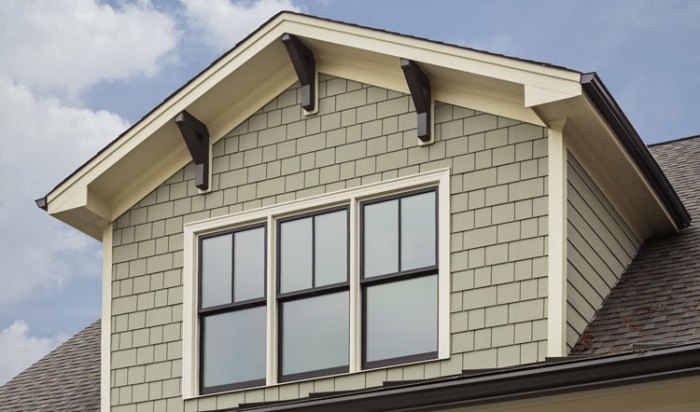
To ensure a successful vinyl shake siding installation, it is crucial to follow a precise set of steps. From measuring and cutting the panels to properly fastening them, each stage plays a significant role in achieving a seamless and weatherproof finish.
Measuring and Cutting
- Start by measuring the area where the vinyl shake siding will be installed. Make sure to account for any corners, windows, or doors.
- Use a utility knife or a specialized vinyl siding cutter to cut the panels to the required length. Ensure precise measurements to avoid gaps or overlaps.
- When cutting around obstacles like electrical outlets or fixtures, make small notches in the panel to fit around them seamlessly.
Overlapping and Interlocking
- Overlap the panels according to the manufacturer's instructions to create a secure and seamless finish. Typically, a 1-inch overlap is recommended.
- Interlock the panels by sliding the bottom edge of one panel into the top edge of the panel below it. This helps prevent moisture infiltration and ensures a tight fit.
- Pay close attention to the alignment and spacing of the panels to maintain a uniform look across the entire surface.
Fastening and Securing
- Secure the vinyl shake panels to the wall using nails or screws, making sure to follow the recommended fastening pattern provided by the manufacturer.
- Avoid overdriving the fasteners, as this can cause the panels to warp or buckle over time. Use a level to ensure the panels are installed straight and evenly.
- Apply caulk or sealant around windows, doors, and corners to create a weatherproof barrier and prevent water intrusion.
Finishing Touches and Maintenance
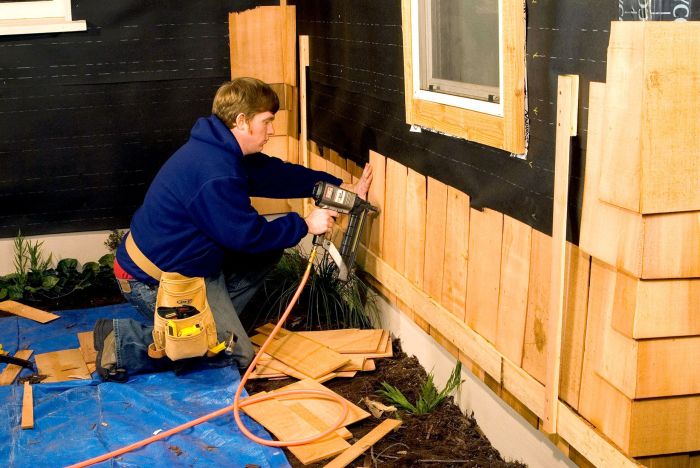
Vinyl shake siding can greatly enhance the curb appeal of your home, but adding some finishing touches can take it to the next level. Additionally, proper maintenance is essential to ensure that your vinyl shake siding looks its best for years to come.
Enhancing Appearance with Finishing Touches
- Consider adding decorative trim pieces around windows, doors, and corners to create a more polished look.
- Install contrasting colors of vinyl shake siding to create visual interest and dimension on your exterior walls.
- Incorporate shake siding accessories such as gable vents, shutters, or window boxes to enhance the overall aesthetic of your home.
Maintenance Tips for Vinyl Shake Siding
- Regularly inspect your vinyl shake siding for any signs of damage, such as cracks, chips, or warping, and address them promptly to prevent further issues.
- Clean your siding at least once a year with a mixture of mild soap and water to remove dirt, dust, and other debris that can accumulate over time.
- Avoid using abrasive cleaners or tools that could scratch or damage the surface of your siding. Instead, opt for a soft cloth or sponge for gentle cleaning.
Cleaning and Caring for Vinyl Shake Siding
- For tougher stains or mold/mildew growth, use a solution of water and white vinegar or a specialized vinyl siding cleaner to effectively clean your siding.
- Rinse your siding thoroughly after cleaning to remove any residue and prevent streaking or discoloration.
- Trim back any vegetation or trees that may come into contact with your siding to prevent damage and ensure proper airflow around your home.
Ending Remarks
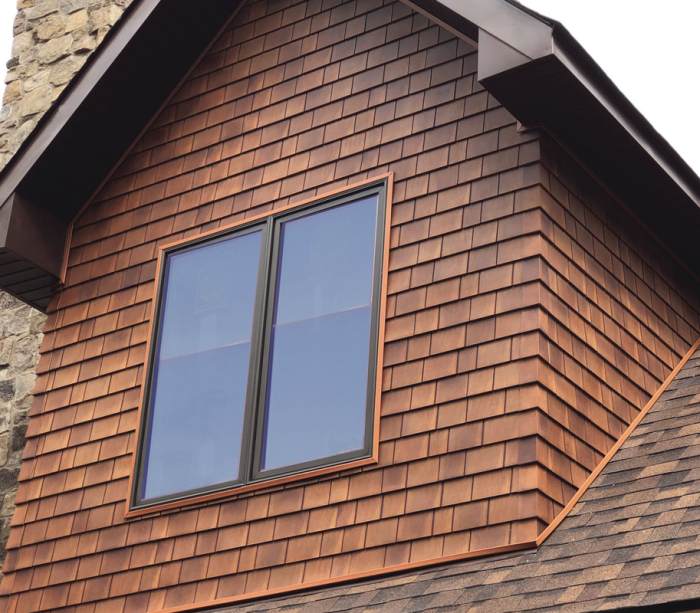
In conclusion, vinyl shake siding installation is a rewarding process that can elevate the curb appeal and value of any home. By following the steps Artikeld in this guide, you can achieve a beautiful and long-lasting finish that will stand the test of time.
FAQ Corner
What sets vinyl shake siding apart from other materials?
Vinyl shake siding offers the look of real wood without the maintenance, providing durability and easy upkeep.
What tools are needed for vinyl shake siding installation?
Common tools include a saw, hammer, level, tape measure, and a nail gun for efficient installation.
How can I maintain vinyl shake siding?
Regular cleaning with a mild detergent and water, along with periodic inspections for any damage, can help maintain the appearance of vinyl shake siding.